 MotoGP
Back to Home
MotoGP 5 min read time 0 viewsJul 26, 2026
The Brutal Truth About Emissions and Vintage Legends in 2026
Discover how strict environmental laws destroyed motorcycle legends like the Yamaha XT 660R and the RD 350, and how garage tuners are fighting back in 2026.
The Harsh Reality of Emissions and Motorcycle Legends
Let me give you the direct answer right out of the gate. Stricter environmental laws like PROMOT 4 and the mandatory ABS safety requirements are exactly what killed iconic motorcycles like the Yamaha XT 660R. Decades before that, shifting global emissions and very specific market constraints were the exact reasons the legendary two stroke Yamaha RD 350 met its end. Today I am going to show you exactly how engineering adapted to these strict laws, how garage tuners still extract hidden power from smaller engines, and what the real world costs look like if you want to own one of these classics in 2026.
We need to clear up a massive historical misconception first. The RD 350 is a pure Yamaha bloodline machine and it has absolutely nothing to do with Honda. It was a bike born directly from track racing heritage. Back in the seventies and eighties, this exact model earned the terrifying and legendary nickname of Black Widow. You had a lightweight frame, incredibly weak brakes including a rear drum, and an explosive power delivery that hit like a hammer as soon as the tachometer crossed 5000 RPM. Riding it was an absolute test of bravery.
When Yamaha finally started manufacturing the RD 350 in Brazil in 1987, the local engineering team hit a massive brick wall. The local gasoline was notoriously terrible and had a very low octane rating. If they kept the aggressive Japanese engine specifications, the high compression would cause severe engine detonation and literally melt the pistons inside the cylinders. To save the engine from destroying itself, they were forced to drop the compression ratio from 7.2:1 down to 5:1 and change the combustion chamber design. That safety measure dropped the power from 59 down to 55 horsepower. Savvy garage mechanics figured this out fast. They started using thinner head gaskets and modifying the combustion chambers to get that lost explosive power back onto the streets.

How Environmental Laws Killed the Yamaha XT 660R
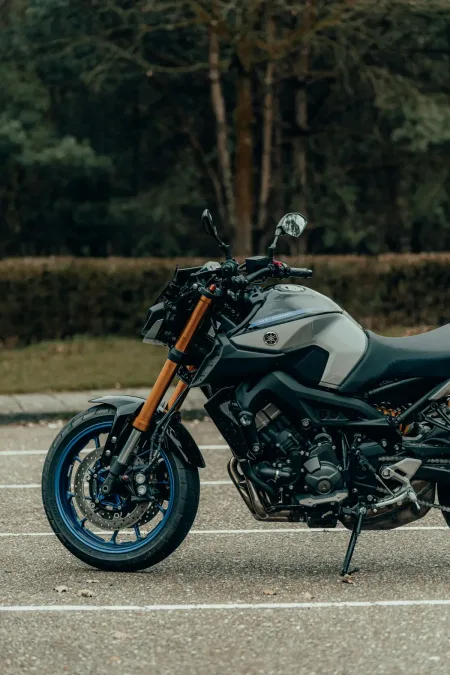
The ruthless battle against emissions did not stop in the nineties. If you want a perfect example of a modern legend destroyed by bureaucracy, you just need to look at the Yamaha XT 660R. Bikers call it the tractor because it is virtually indestructible and delivers immense torque at low RPMs. It actually survived the PROMOT 3 emissions laws perfectly because Yamaha equipped it with a robust electronic fuel injection system and an oxygen sensor to monitor the exhaust gases.
However, the final death blow arrived in 2016 when the Euro 4 and PROMOT 4 regulations hit the global market. A massive single cylinder engine produces extreme exhaust gas fluctuations and violent thermal changes. Taming that giant single piston to pass the new ultra strict gas analyzer tests meant Yamaha would have to choke the engine severely, completely killing its famous low end torque and street performance. On top of that environmental hurdle, the government made ABS brakes mandatory for all motorcycles over 300cc. The old school frame design of the XT 660R simply did not have the physical space to accommodate a modern ABS hydraulic module cheaply. Redesigning the entire frame and engine architecture was financially impossible for an aging platform, so Yamaha pulled the plug entirely.
Official Specs
Legendary Yamaha Engines
Yamaha RD 350 (Brazilian Spec)
- Power Output 55 Horsepower Street Translation: It lost 4 horsepower compared to the Japanese version just to survive the terrible local gasoline without melting the engine.
- Compression Ratio 5:1 Street Translation: A heavily choked engine setup that garage tuners instantly fixed by using thinner head gaskets.
Yamaha XT 660R
- Engine Type 660cc Single Cylinder Street Translation: A massive and indestructible piston that produced too much pollution to pass the strict Euro 4 and PROMOT 4 laws.
- Safety Tech No ABS Available Street Translation: The government made ABS mandatory and the old chassis had no room for it, which literally killed the production.

Garage Tuning and Electronic Hacks for the Kasinski Comet GT 250
While the large displacement legends died out, street riders still obsess over getting more power from smaller accessible engines. The Kasinski Comet GT 250, which is essentially a Korean Hyosung project, is the perfect guinea pig for modern street tuning. These quarter liter motorcycles run a Delphi electronic fuel injection system that is infamous for running way too lean at high RPMs, causing power losses and engine overheating.
Instead of spending thousands on a programmable aftermarket ECU, local mechanics found a brilliant and cheap workaround. They grab a standard digital multimeter and physically loosen the screws on the Throttle Position Sensor. By rotating this sensor just a fraction of a millimeter, they raise the baseline voltage from 1.10V to about 1.12V. This tiny physical manipulation completely tricks the computer into thinking the throttle is open wider than it actually is. The ECU responds instantly by dumping much more fuel into the cylinders. Once you combine that richer fuel mixture with an open airbox modification, iridium spark plugs, and a free flowing exhaust, the bike finally wakes up and delivers real performance. If you are deeply interested in how the market treats these modified machines today, you should read about the brutal truth of vintage legends and tuning to fully understand the historical shifts in motorcycle engineering.

Costs and Financials: The 2026 Market Reality in Santa Catarina
Now let us talk directly about your wallet and the real costs of ownership. If you want to buy one of these historical machines in 2026, you need to completely ignore the official FIPE price table. Let us use the highly active market in Santa Catarina as our realistic financial baseline. The official government FIPE table claims a 1990 Yamaha RD 350 is worth a modest 13,000 Reais. That number is an absolute joke. In the real world of Santa Catarina collectors, a pristine Black Widow will easily cost you up to 75,000 Reais. The XT 660R is also suffering from this massive nostalgia inflation, with 2014 models regularly selling for well over 40,000 Reais due to their legendary status and high demand in coastal areas.
There is also monumental news regarding vehicle taxes in 2026. For decades, the strict state laws of Santa Catarina demanded a vehicle to be at least 30 years old before granting an IPVA tax exemption. That abusive rule is completely dead. The federal government finally passed the Constitutional Amendment 137 at the very end of 2025. This historic law created a nationwide tax immunity for absolutely any vehicle over 20 years old.
Please pay close attention to the specific legal term used here. It is an immunity, not just a temporary exemption. The state government of Santa Catarina literally lost the constitutional right to charge you IPVA on any motorcycle manufactured before 2006. If you own an early XT 660R or any classic RD 350, your IPVA tax is automatically zero. This is a massive victory for motorcycle culture. Just remember that you still have to pay the annual Detran licensing fee to update your document and keep the bike fully legal on the road.
Tags:MotoGPYamaha RD 350Yamaha XT 660RKasinski Comet GT 250motorcycle tuningemissions laws2026 motorcycle markettax immunity 2026
Recommended Posts
Comentários (0)
Participe da discussão
Faça login ou cadastre-se rapidamente para enviar seu comentário. É simples e leva menos de 1 minuto!
Nenhum comentário por enquanto. Seja o primeiro a opinar!