 Reviews
Volver para Home
Reviews 8 min de leitura 1 visualizações26 de jul. de 2026(Atualizado em 07 de ago. de 2026)
A Linha Yamaha MT 2026: Custos Reais, Ficha Técnica e o Motor Crossplane
Um papo reto e sem frescuras sobre a linha Yamaha MT 2026. Vou te mostrar a engenharia por trás do torque, comparações de mercado e a realidade financeira para manter essas motos.
Ouça a Narração deste Post
00:0000:00
Vale a Pena Investir Seu Dinheiro na Linha Yamaha MT 2026?
Vamos direto ao ponto. Vale a pena investir seu dinheiro suado na linha Yamaha MT 2026? A resposta é um absoluto sim. Se você é do tipo que prefere sentir uma aceleração brutal desde as baixas rotações em vez de esperar o motor esgoelar em alta rotação, essas motos foram feitas perfeitamente para você. Porém, você precisa estar preparado para um desgaste rápido de pneu e um alto consumo de combustível. Essa é a verdade nua e crua. Agora vamos entender como chegamos até aqui. O mundo das motos naked antigamente era dominado por esportivas capadas. As fabricantes simplesmente arrancavam as carenagens de uma moto de pista, cortavam um pouco a potência e colocavam na loja. A Yamaha mudou completamente as regras do jogo. A estratégia deles alterou para sempre o que esperamos de uma streetfighter.
A Origem do Master of Torque
Tudo começou com uma ideia maluca no Salão de Tóquio em 1999. Ali nasceu o conceito da MT. A sigla significa Master of Torque. A filosofia interna do projeto se chamava Mega Torque e era baseada no conceito japonês Kodo, que significa algo como a batida da alma. Quando a MT 01 de produção ganhou as ruas em 2005, o negócio era bizarro. Eles enfiaram um motor V2 gigante de 1670 cilindradas refrigerado a ar num chassi naked. Ela entregava modestos 90 cavalos, mas gerava absurdos 150 Nm de torque a meros 3750 giros. Ninguém ligava para velocidade final. A moto simplesmente queria arrancar seus braços a cada acelerada.
Entendendo a Tecnologia Crossplane
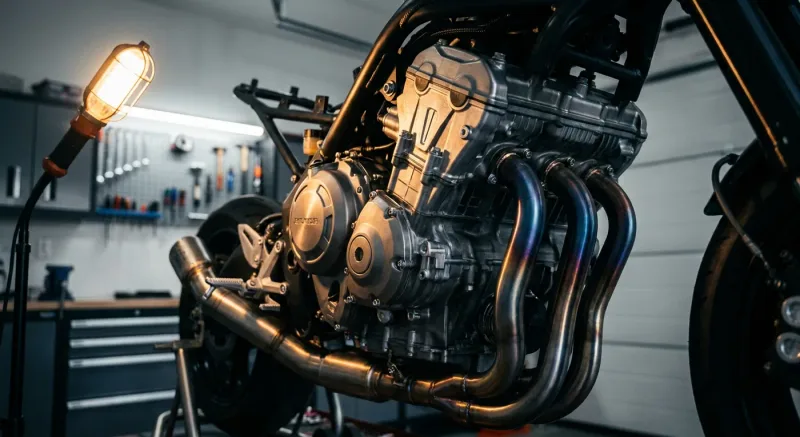
Dando um salto para 2014, a marca lançou a era do lado negro do Japão. Isso trouxe a MT 09 e a MT 07 para as massas. O grande segredo aqui é a tecnologia Crossplane no motor. Quando você pilota um motor quatro cilindros padrão com virabrequim plano, os pistões sobem e descem em pares. Isso gera o torque inercial. Na prática, é um ruído mecânico que briga com a força real da explosão. A Yamaha decidiu defasar os pinos do virabrequim. O motor CP2 da MT 07 usa uma configuração de 270 graus. Ele imita o ronco de um motor em V e dá ao pneu traseiro uma fração de segundo para grudar no asfalto entre cada pulso de potência. Já o motor CP3 da MT 09 usa um virabrequim de 120 graus. Os pistões nunca chegam ao ponto morto ao mesmo tempo. O resultado é o que eles chamam de torque limpo. A conexão do seu punho direito com a roda traseira é instantânea. Você pensa em acelerar e a moto já está te empurrando com vontade.
Ficha Técnica e a Realidade da Yamaha MT 09 2026
A Yamaha MT 09 modelo 2026 é o ápice absoluto dessa evolução das streetfighters. Eu mergulhei nos dados do mercado e essa máquina mistura uma brutalidade mecânica com um cérebro digital muito avançado. Estamos falando de um bloco refinado de três cilindros com 890 cilindradas e refrigeração líquida. Ela cospe aproximadamente 119 cavalos de potência a 10000 rotações. O torque máximo bate nos 93 Nm exatamente nos 7000 giros. Isso significa que a força está onde você realmente precisa para rodar na rua. Você não precisa esgoelar a moto para se divertir. O chassi é um quadro de alumínio fundido super leve. A ciclística é extremamente rígida e precisa. A suspensão conta com garfos invertidos KYB de 41 milímetros totalmente ajustáveis na dianteira. Na parte eletrônica, a Yamaha não economizou em absolutamente nada. Uma unidade inercial de seis eixos controla o controle de tração sensível à inclinação, o controle de escorregamento, o sistema anti wheeling e o ABS de curva. Você ainda leva um quickshifter bidirecional de terceira geração. O painel TFT é enorme, brilha muito e conecta no celular via Bluetooth para navegação e telemetria. É um equipamento de muito respeito. Vamos ver o que o manual diz e o que isso significa no asfalto.
Ficha Oficial
Yamaha MT 09 2026
Motor e Desempenho
- Tipo de Motor890cc CP3 Refrigeração LíquidaTradução para o Asfalto: Você tem um soco instantâneo no estômago em qualquer marcha sem precisar subir o giro.
- Potência Máxima119 Cavalos a 10000 RPMTradução para o Asfalto: Muito mais do que o suficiente para perder a carteira de motorista em três segundos.
- Torque Máximo93 Nm a 7000 RPMTradução para o Asfalto: Ela puxa como um trem de carga logo no meio do conta giros.
Eletrônica e Chassi
- Pacote EletrônicoIMU de Seis Eixos com ABS em CurvasTradução para o Asfalto: Um supercomputador que impede você de cair quando entra quente demais na curva molhada.
- Transmissão6 Marchas com Quickshifter BidirecionalTradução para o Asfalto: Trocas de marcha perfeitas para cima e para baixo sem nem encostar na embreagem.

Comparativo de Mercado 2026: Yamaha MT 03 vs Honda CB 300F vs Kawasaki Z400
Agora precisamos ver como a linha MT se garante contra a concorrência pesada de 2026. As categorias de entrada e média cilindrada são um verdadeiro campo de batalha. Vamos começar no ringue das 300 a 400 cilindradas. A Yamaha MT 03 de 2026 é a escolha premium do pedaço. Ela carrega um motor bicilíndrico de 321 cilindradas que rende 41.3 cavalos. Vem com suspensão invertida, embreagem deslizante e painel digital novo. Se a grana está curta e você só quer bater ponto no trabalho, a Honda CB 300F Twister é a escolha fria e calculista. Ela tem um motor monocilíndrico de 24.7 cavalos que é barato de comprar e de manter. Por outro lado, se a sua única preocupação é sumir na frente no semáforo, a Kawasaki Z400 é a rainha absoluta do desempenho com 45 cavalos e um chassi peso pena. A MT 03 fica exatamente no meio termo, sendo ideal para quem quer um motor girador com suspensão refinada.
A Batalha das Médias: Yamaha MT 07 vs Kawasaki Z650 vs Honda CB 650R
Subindo para a categoria das 650 cilindradas, a Yamaha MT 07 continua dominando o quesito diversão. Aquele motor CP2 rende cerca de 74 cavalos, mas o jeito que a força aparece é pura magia. É uma moto totalmente voltada para a diversão urbana. Sua rival direta é a Kawasaki Z650. A Kawasaki tem um virabrequim tradicional de 180 graus. Isso deixa a moto mais previsível e linear, mas falta aquela mordida agressiva da Yamaha. Depois temos a Honda CB 650R. A Honda usa um motor pesado de quatro cilindros em linha. O ronco é maravilhoso e ela bate uns 95 cavalos, mas você precisa esgoelar o motor lá no alto para achar a potência. A MT 07 entrega tudo logo de cara no acelerador. Se você está na dúvida entre essas motos de média cilindrada, você tem que ler minha avaliação detalhada sobre o consumo e o preço real da Yamaha MT 07 2026 antes de assinar o financiamento na loja.
A Realidade Brutal dos Custos de Manutenção
Nós não podemos falar de motos premium sem colocar o dedo na ferida do custo de manutenção. O preço da concessionária é apenas a ponta do iceberg. Eu quero te passar a visão exata do que custa manter essas máquinas rodando em 2026. Para fazer isso, eu sempre utilizo o estado de Santa Catarina como nossa régua financeira principal. O motivo é simples. Santa Catarina tem uma das legislações tributárias mais favoráveis para veículos no país hoje em dia. A alíquota do IPVA para motos em Santa Catarina é cravada em apenas 1 por cento do valor da tabela FIPE. Se você pagar tudo à vista em cota única, o estado ainda te dá 5 por cento de desconto. Vamos fazer a conta de padaria. Uma MT 09 ano 2026 avaliada em 65000 reais vai te custar cerca de 617 reais de IPVA. Uma MT 03 nova de 34000 reais sai por apenas 323 reais. Isso é uma verdadeira pechincha se comparado a outras regiões do Brasil. Mas calma lá que a conta não fecha tão fácil assim.
Despesas Operacionais nas Ruas
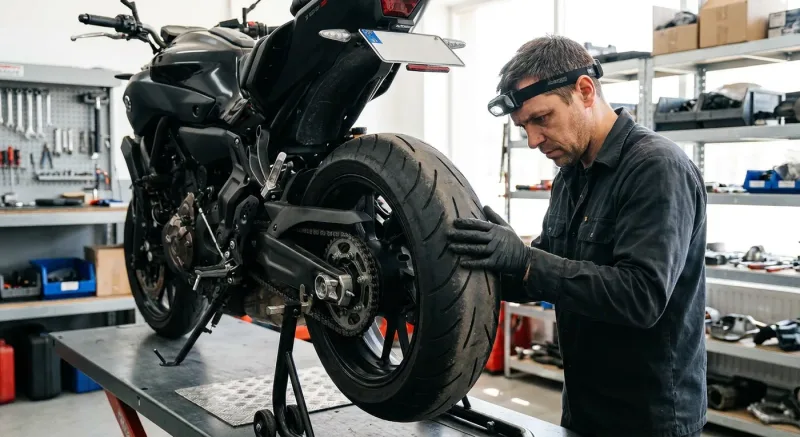
Os custos operacionais do dia a dia vão esfolar sua conta bancária se você for descuidado. A MT 03 tem fama de ser muito beberrona para o tamanho dela. Você precisa ter sorte para fazer 23 quilômetros por litro no trânsito pesado. Se você roda 150 quilômetros por dia, a conta do posto vai doer bastante. Depois temos os pneus. Toda essa patada de torque da linha MT lixa o pneu traseiro com força brutal. Um par de borrachas de qualidade custa na faixa de 1000 reais e pode durar apenas 12000 quilômetros. O seguro é outro fantasma, batendo facilmente a casa dos 1000 reais por ano só para cobrir roubo e furto. A Yamaha até ajuda com a revisão preço fixo. As duas primeiras têm mão de obra grátis, mas passou dos 10000 quilômetros você paga a peça e o mecânico. A real é que comprar uma moto dessas ganhando salário mínimo é um suicídio financeiro. Você precisa de uma renda sólida para alimentar essas bestas. São máquinas fantásticas, frutos de uma engenharia genial, mas que exigem respeito no asfalto e planejamento pesado no seu bolso.
Posts recomendados

Comentários (0)
Participe da discussão
Faça login ou cadastre-se rapidamente para enviar seu comentário. É simples e leva menos de 1 minuto!
Nenhum comentário por enquanto. Seja o primeiro a opinar!