 Reviews
Volver para Home
Reviews 11 min de leitura 15 visualizações07 de ago. de 2026(Atualizado em 16 de ago. de 2026)
Quartararo na Honda 2027: O Fim das Asas e a Era 850cc
O teste secreto sob tempestade revelou o fim das asas e a ida de Quartararo para a Honda. Entenda a revolução das 850cc na MotoGP 2027.
Ouça a Narração deste Post
00:0000:00
O Teste Secreto na Tempestade: A Virada da MotoGP para 2027
Imagine o cenário: circuito de Sepang, na Malásia, uma tempestade tropical desaba sobre o asfalto. Enquanto o mundo da velocidade focava nas corridas da temporada, a Honda realizava um teste confidencial, longe dos olhos do grande público. O que os fotógrafos capturaram sob a chuva não foi apenas um protótipo, mas o futuro da modalidade: a nova Honda RC214V. O detalhe que chocou os especialistas? A ausência total de asas inferiores, uma carenagem frontal visivelmente mais estreita e, o mais importante, a inexistência dos complexos dispositivos de altura que definiram a última década.

Esse teste não foi apenas um exercício de engenharia. Ele antecipa a transição radical para o regulamento de 2027. Se você acompanhou o artigo MotoGP 2026: O Fracasso da Nova Geração Frente aos Márquez, sabe que a pressão sobre os pilotos e a exigência tecnológica forçaram a Dorna a buscar um caminho mais humano e menos aerodinâmico. A moto vista na chuva é a resposta da HRC para retomar o trono, e a peça central desse quebra-cabeça tem nome e sobrenome: Fabio Quartararo.
Bomba no Paddock: Quartararo Assina com a Honda HRC
Pode parar de especular: é oficial. Em 21 de julho de 2026, a Honda HRC anunciou a contratação bombástica de Fabio Quartararo. O francês, campeão mundial de 2021, será o pilar da equipe oficial pelas próximas duas temporadas, 2027 e 2028. Se você se pergunta onde o "El Diablo" correrá quando as luzes se apagarem na abertura do campeonato de 2027, a resposta é o box mais icônico da categoria.
- Piloto Contratado: Fabio Quartararo
- Nova Equipe: Honda HRC (Oficial de Fábrica)
- Duração: 2 Temporadas (2027 e 2028)
- Histórico Encerrado: 8 temporadas de Yamaha
Essa jogada, comparável em impacto à histórica ida de Marc Márquez para a Ducati, muda o eixo de poder da MotoGP. Quartararo não chega sozinho no projeto de reestruturação. Ele terá ao seu lado o jovem fenômeno David Alonso, enquanto nomes como Johann Zarco e Diogo Moreira garantem que o ecossistema da Honda tenha a profundidade necessária para desenvolver a nova 850cc. O objetivo da HRC é claro: apagar o trauma das últimas temporadas e voltar a brigar na ponta com uma estrutura técnica totalmente renovada.
O Fim do Casamento com a Yamaha: Por Que El Diablo Cansou?
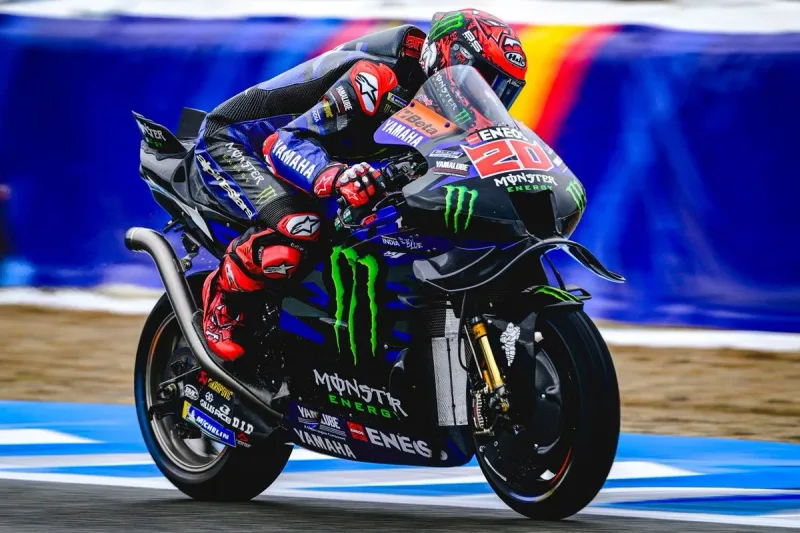
O divórcio entre Fabio Quartararo e a Yamaha foi uma ruptura traumática, selada em junho de 2026. A estagnação da YZR-M1 não era mais um segredo; os pilotos lutavam contra uma moto que sofria de um déficit severo de velocidade de ponta e falta de aderência mecânica na saída de curva. As tentativas da marca de Iwata em adotar um motor V4 de emergência, no intuito de abandonar o tradicional Crossplane, acabaram em fracasso.
Aviso Importante: A insatisfação de Quartararo atingiu o ápice com as falhas de confiabilidade do motor V4 de testes da Yamaha em 2026, tornando a separação inevitável.
Para quem busca entender a raiz do problema, vale conferir o artigo A Linha Yamaha MT 2026: Custos Reais, Ficha Técnica e o Motor Crossplane. A filosofia dos motores quatro cilindros em linha, que outrora era o trunfo da Yamaha em curvas, tornou-se o calcanhar de Aquiles frente aos V4 dos rivais europeus. Quartararo perdeu a paciência com a lentidão da engenharia japonesa em reagir ao cenário competitivo, optando por uma mudança drástica de ares antes que a transição de 2027 começasse.
Regulamento 2027: O Fim das Asas e a Volta do Braço do Piloto
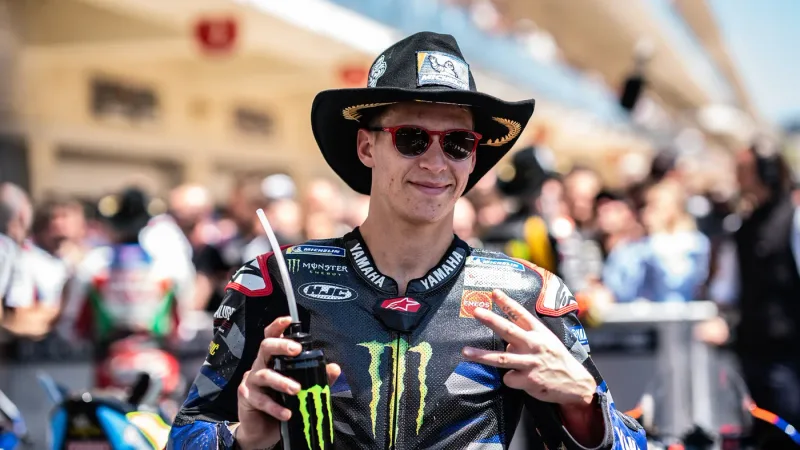
O novo regulamento da FIM/Dorna para 2027 é um divisor de águas. Esqueça as motos "de trilhos" que vimos nos últimos anos. A redução para 850cc, o banimento de todos os dispositivos de altura e a limitação severa da aerodinâmica devolvem a moto para a mão do piloto. Menos eletrônica, menos carga aerodinâmica, mais pilotagem pura. Como pontuamos em Ducati 2027: Acosta e Márquez ou a Guerra na Garagem?, esse novo pacote técnico é o que vai equilibrar a balança frente ao domínio da Ducati.
| Parâmetro Técnico | Até 2026 (1000cc) | 2027 em Diante (850cc) | Tradução para o Asfalto |
|---|---|---|---|
| Cilindrada | 1000 cc | 850 cc | Velocidades finais contidas; aceleração depende mais do pulso do piloto. |
| Dispositivos de Altura | Permitidos | Totalmente Banidos | A moto não rebaixa nas saídas; exige controle manual contra empinadas. |
| Largura Carenagem | 600 mm | 550 mm | Menos pressão aerodinâmica e menos turbulência em ultrapassagens no vácuo. |
O foco agora é eficiência. Com 153kg de peso mínimo e combustível 100% sustentável, as motos de 2027 serão menores e mais ágeis. O fim do "efeito asa" nas carenagens vai exigir que os pilotos trabalhem muito mais na inclinação da moto para buscar o contorno perfeito, tornando as ultrapassagens muito mais frequentes e menos dependentes de vácuo aerodinâmico.
Ficha Técnica do Protótipo Honda RC214V 850cc
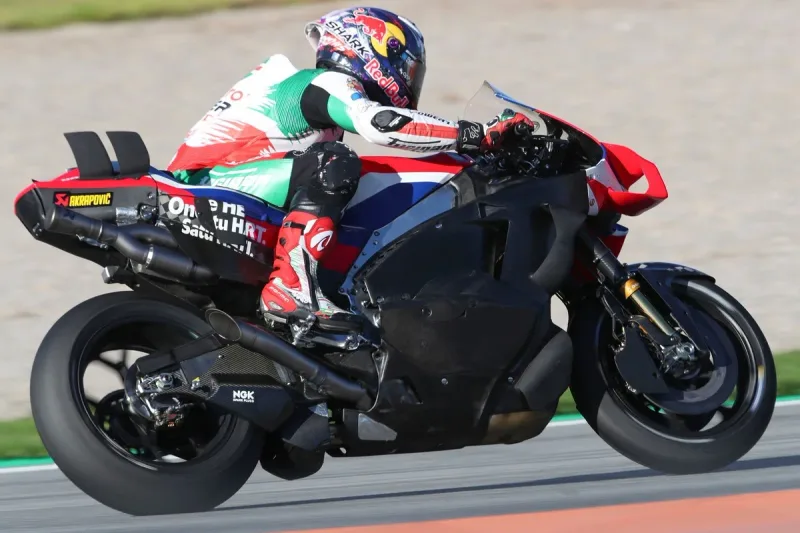
A Honda RC214V, testada por Takaaki Nakagami, já mostra para que veio. Com o congelamento dos motores de 1000cc em 2026, a HRC focou 100% dos seus recursos na nova era. Esta moto representa a tentativa de superar a dependência técnica dos anos anteriores e colocar a Honda de volta ao topo com uma arquitetura mais leve e eficiente.
Ficha Técnica
Honda RC214V 850cc (Protótipo 2027)
Motor e Ciclística
- Cilindrada850 cc (V4, 4 Tempos)Tradução: Motor de entrega mais arisca e giro rápido, exigindo trocas precisas de marcha.
- Diâmetro dos Cilindros75 mm (Máximo)Tradução: Menos velocidade de reta absoluta, transferindo a disputa para as frenagens.
- Peso Mínimo153 kgTradução: Conjunto 4 kg mais leve, facilitando mudanças rápidas de direção na chicane.
Este protótipo, como visto em Marc Márquez na Ducati: Guerra Mental e a Virada de 2027, marca a nova era da Honda. Com um motor de 850cc de alta rotação e um chassi que não depende de eletrônica invasiva para manter a estabilidade, a RC214V é a prova viva de que a HRC está disposta a sacrificar o passado para ganhar o amanhã. É uma moto desenhada para o talento de Quartararo brilhar, eliminando os excessos que travavam o desenvolvimento da marca.
Revolução na HRC: A Ocidentalização do Box Japonês
A Honda Racing Corporation (HRC) entendeu que o conservadorismo japonês não vence mais na MotoGP moderna. Entre 2024 e 2026, vimos uma reestruturação profunda que chocou o paddock. A marca de Saitama, antes inabalável em seus processos verticais, abriu as portas para o talento europeu. O grande nome dessa virada é Romano Albesiano, o arquiteto técnico ex-Aprilia, que assumiu o comando do projeto.
O impacto dessa mudança é direto no asfalto: a burocracia que travava o desenvolvimento morreu. Agora, alterações críticas no chassi e na aerodinâmica passam por aprovação em questão de semanas, e não meses, permitindo que a moto evolua conforme o feedback do piloto. Sob o novo gerenciamento de Mikihiko Kawase, a integração entre o centro de P&D no Japão e a base técnica na Europa é orgânica. Se a Honda quer replicar o domínio da Ducati 2027: Acosta e Márquez ou a Guerra na Garagem?, ela precisava de velocidade de dados e, principalmente, de flexibilidade mecânica. A nova Honda é menos hierárquica e muito mais agressiva no desenvolvimento.
Destaque da Oficina: A chegada de Romano Albesiano ao comando técnico quebrou décadas de centralização em Saitama. Agora, alterações no chassi são aprovadas em semanas, não em meses.
O Time dos Sonhos de Quartararo: Pupulin e Madurga no Lado Francês
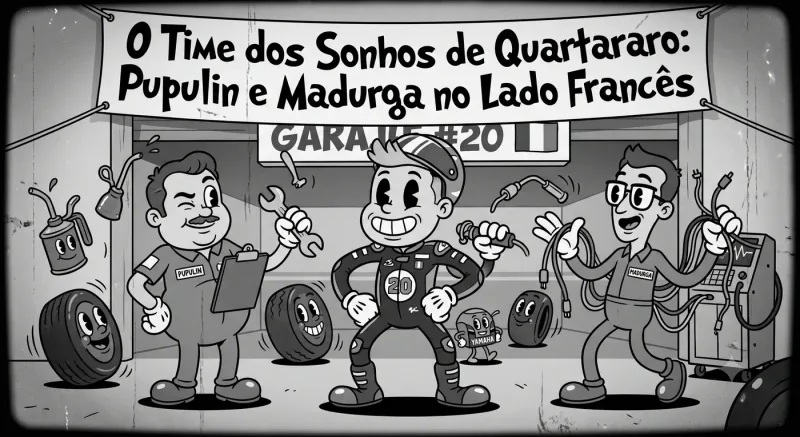
Não se contrata um campeão mundial como Fabio Quartararo para deixá-lo órfão de suporte técnico. A Honda garantiu um dos maiores trunfos para o francês: a montagem de um estafe técnico de elite dentro do box oficial. O coração dessa equipe será o italiano Cristhian Pupulin, nome lendário com passagens de peso pela Ducati e KTM, que assume como Crew Chief. A tarefa dele é simples de falar, mas complexa na prática: extrair o potencial máximo do novo motor V4.
A Honda também trouxe Ignacio Madurga para o projeto, garantindo a continuidade do ajuste fino que Quartararo tanto valorizava. A telemetria aqui é a chave. Ao garantir esses nomes, a HRC dá ao piloto a confiança necessária para liderar o desenvolvimento da nova RC214V. Essa estrutura técnica é a resposta direta para evitar que talentos da nova geração fiquem reféns de ajustes deficientes, algo que discutimos detalhadamente em MotoGP 2026: O Fracasso da Nova Geração Frente aos Márquez.
Aviso Importante: A escolha de Cristhian Pupulin e a manutenção de Ignacio Madurga garantem a Quartararo a telemetria e o ajuste fino de pneus que faltavam na Yamaha.
Efeito Dominó no Grid: A Dança das Cadeiras da Era 850cc
A contratação de Quartararo pela Honda foi o estopim de uma Silly Season histórica. O mercado não parou. A saída do francês deixou um vácuo na Yamaha, que reagiu rápido trazendo Jorge Martín para a equipe de fábrica, formando dupla com o jovem japonês Ai Ogura. Já na Aprilia, o movimento foi de impacto: Pecco Bagnaia desembarca para liderar o projeto de Noale ao lado de Marco Bezzecchi, buscando novos ares.
Enquanto isso, a Gresini reforçou suas fileiras com a experiência de Joan Mir. Porém, o destaque absoluto fica para a Ducati Lenovo, que apostou tudo na combinação de Marc Márquez e Pedro Acosta, uma dupla que promete ser o pesadelo de qualquer concorrente. Essa reconfiguração mostra que, em 2027, não basta ter uma boa moto; é preciso ter o alinhamento correto de pilotos e engenheiros, algo que analisamos profundamente em Marc Márquez na Ducati: Guerra Mental e a Virada de 2027.
- Honda HRC: Fabio Quartararo e David Alonso
- Yamaha Factory: Jorge Martín e Ai Ogura
- Aprilia Racing: Pecco Bagnaia e Marco Bezzecchi
- Ducati Lenovo: Marc Márquez e Pedro Acosta
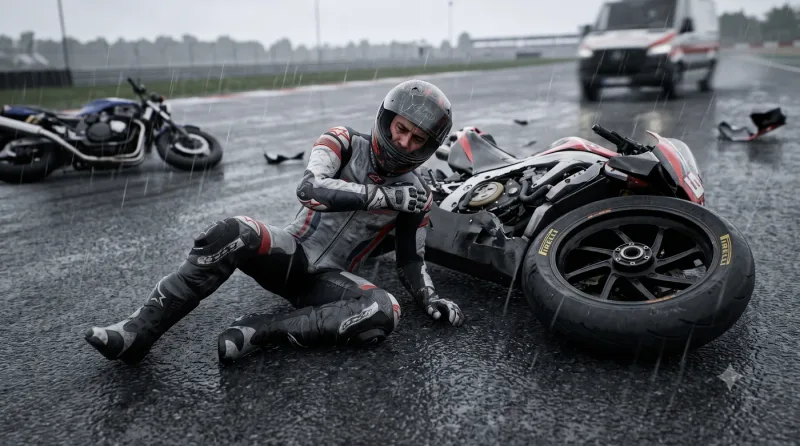
Dores do Piloto no Asfalto: Do M2 Inline ao V4 da Honda e Pneus Pirelli
A transição de Quartararo será um laboratório de adaptação. O francês passou oito anos domando a suavidade do motor de quatro cilindros em linha (inline-4), que favorece a velocidade de contorno em curvas longas e fluidas. Agora, ele terá que abraçar a agressividade do V4 da Honda, um motor que exige uma tocada de "frenagem pesada e arrancada bruta". É o estilo stop-and-go que define os vencedores atuais.
Somado a isso, temos o fator Pirelli. A chegada do novo fornecedor de pneus para 2027 muda radicalmente como a moto se comporta na entrada de curva e na gestão de temperatura. Quem aprender a ler a carcaça desse pneu antes dos outros, vai dominar o campeonato. Como vimos em A Linha Yamaha MT 2026: Custos Reais, Ficha Técnica e o Motor Crossplane, a perda de velocidade de contorno ao mudar de arquitetura de motor é um risco, mas o ganho em cavalaria bruta no V4 compensa no trânsito pesado de uma corrida.
👍 Pontos Fortes
- Liderança de Projeto: Moto de 850cc feita sob medida para suas orientações desde o protótipo.
- Fim da Turbulência: Menos asas significam disputas limpas em ultrapassagens.
👎 Pontos Fracos
- Mudança de Estilo: Requer transição do contorno suave (Inline-4) para a frenagem pesada do V4.
- Desafio Pirelli: Readaptação completa à carcaça do novo fornecedor de pneus.

Veredito da Pista: A Reinvenção do Motociclismo Raiz em 2027
O regulamento de 2027 não é apenas uma mudança de cilindrada; é um retorno à pureza. Ao remover as asas, os dispositivos de altura e o excesso de eletrônica preditiva, a MotoGP está devolvendo a responsabilidade do espetáculo para o pulso direito do piloto. Veremos menos controle por sensores e muito mais por instinto e coragem no asfalto. É o motociclismo raiz renascendo, onde a sensibilidade no acelerador dita quem cruza a linha de chegada na frente.
Fabio Quartararo na Honda não é apenas uma notícia de mercado; é uma aposta clara da HRC em um piloto que sabe guiar o limite. A guerra Honda versus Ducati, com os novos motores de 850cc, promete ser o capítulo mais intenso da década. O que você acha dessa mudança? O francês consegue levar a Honda de volta ao topo com a nova 850cc? Convido você a deixar sua opinião e continuar acompanhando o próximo capítulo desta batalha em Ducati 2027: Acosta e Márquez ou a Guerra na Garagem?.
Destaque da Oficina: Em 2027, o regulamento devolve a moto ao controle do piloto. Sem asas ou botões de altura, vence quem tiver mais braço e sensibilidade no acelerador.
Posts recomendados

Comentários (0)
Participe da discussão
Faça login ou cadastre-se rapidamente para enviar seu comentário. É simples e leva menos de 1 minuto!
Nenhum comentário por enquanto. Seja o primeiro a opinar!