 MotoGP
Volver para Home
MotoGP 9 min de leitura 8 visualizações30 de jul. de 2026(Atualizado em 02 de set. de 2026)
MotoGP 2026: O Fracasso da Nova Geração Frente aos Márquez
O domínio dos irmãos Márquez na MotoGP 2026 reflete a falta de fome e os erros recorrentes da nova geração de pilotos.
Ouça a Narração deste Post
00:0000:00
A Ilusão do Equilíbrio na MotoGP 2026
Os Márquez não dominam por genialidade, mas pelo fracasso absoluto dos seus rivais. O grid atual da MotoGP insiste em vender ao público uma narrativa de paridade técnica e disputas épicas ponto a ponto, mas a realidade expressa nos dados de telemetria e nas tabelas de classificação aponta para algo muito mais sombrio. A proximidade entre os primeiros colocados não é fruto de um nível de pilotagem excepcional, mas sim de uma coleção constrangedora de erros não forçados cometidos pelos jovens talentos da categoria rainha.
Quando observamos a liderança de Jorge Martín com 208 pontos, seguido de perto por Ai Ogura com 194, Marc Márquez com 190 e Marco Bezzecchi com 186, a primeira impressão do espectador casual é a de um campeonato histórico. Contudo, ao analisar a frequência de quedas na Curva 1, as punições infantis por excesso de velocidade no pit lane e a falta de constância em corridas de domingo, fica evidente que o topo da tabela está congestionado porque ninguém consegue sustentar uma performance limpa por três finais de semana consecutivos.
A Anatomia dos Erros: Punições e Falhas Primárias
A temporada de 2026 escancarou a falta de rigor profissional de pilotos que deveriam estar no auge de suas carreiras. O caso de Pedro Acosta no GP das Américas em Austin é emblemático: o jovem prodígio perdeu um pódio consolidado no Sprint ao receber uma penalidade de oito segundos por trafegar com pressão de pneus irregular. Esse tipo de falha operacional e de pilotagem revela uma geração acostumada com facilidades eletrônicas e incapaz de gerenciar variáveis básicas de corrida sob estresse.
Não se trata de um incidente isolado. Jorge Martín foi obrigado a cumprir uma punição de Long Lap por cortar a Curva 5 enquanto liderava confortavelmente. Em paralelo, oito dos dezoito competidores do grid principal simplesmente caíram na Curva 1 durante a prova de domingo em Austin por erros de julgamento no ponto de frenagem com pneu frio. O grid moderno demonstra uma fragilidade técnica assustadora quando colocado sob pressão direta no corpo a corpo.
Marc Márquez: Um Veterano Limitado Superando a Juventude
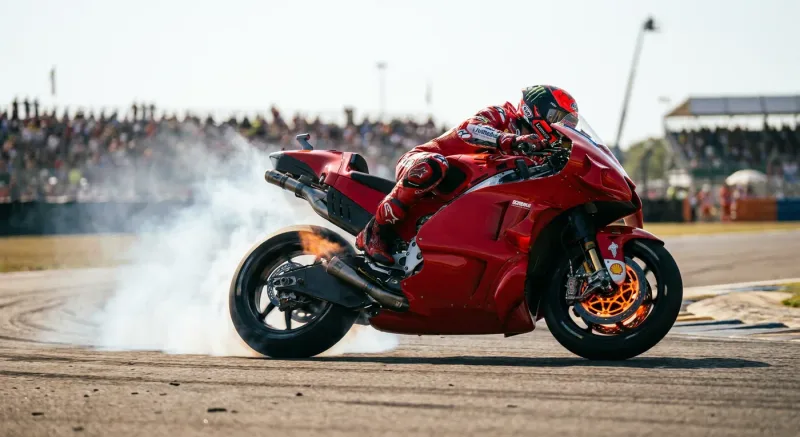
A prova cabal do fracasso da nova geração reside nas condições em que Marc Márquez acumula suas vitórias em 2026. Aos 33 anos, com um histórico cirúrgico que inclui quatro intervenções no úmero direito e episódios recorrentes de diplopia, o octacampeão não possui a integridade física de uma década atrás. Ele próprio admitiu publicamente que optou por utilizar o pacote aerodinâmico de 2024 em sua fábrica por não ter o preparo físico necessário para suportar as cargas g impostas pelo carenamento de 2025.
Mesmo pilotando uma moto com aerodinâmica desatualizada e enfrentando picos de frequência cardíaca entre 180 e 190 batimentos por minuto em momentos de exaustão, Marc conquistou sua 102ª vitória na carreira no GP da Alemanha. Se um piloto que precisa racionar seu esforço físico para não sofrer lesões musculares continua vencendo e pontuando de forma consistente, a culpa não é de seu suposto 'gênio inalcançável', mas sim de uma concorrência que se entrega no primeiro sinal de adversidade técnica. Para entender a dimensão dessa disputa e os bastidores do paddock, confira nossa análise sobre a guerra pelo título da MotoGP 2026 e o mercado da Ducati.
Álex Márquez e a Velocidade sem Cérebro
O desempenho de Álex Márquez serve como um espelho perfeito para a incoerência do grid atual. Nos testes de pré-temporada na Malásia, a telemetria comprovou que Álex foi 2,6 segundos mais rápido que seu irmão Marc em uma simulação de corrida Sprint de dez voltas. O ritmo puro existia, a moto estava ajustada e os dados mostravam um potencial claro para dominar a temporada.
No entanto, a tradução desse potencial em resultados de corrida foi desastrosa. No mesmo GP da Alemanha em que Marc saiu vitorioso, Álex ocupava a segunda colocação isolada até perder a frente da moto na nona volta e abandonar a prova sem sofrer pressão direta. A capacidade de entregar velocidade em uma volta lançada contrapõe-se à incapacidade de gerenciar a ansiedade quando a vitória está em jogo. É a representação exata de uma geração rápida nos treinos, mas psicologicamente vulnerável nas corridas.
Davide Tardozzi e o Fator Humano como Equalizador
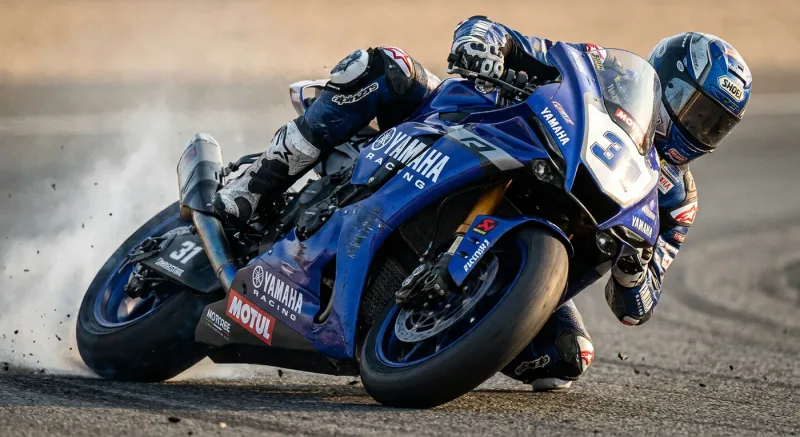
O diretor de equipe da Ducati, Davide Tardozzi, resumiu a situação com precisão cirúrgica ao declarar que a supremacia técnica das motocicletas em 2026 foi neutralizada pela inconstância dos pilotos. Em anos anteriores, o pacote aerodinâmico e o motor da moto borravam as deficiências de quem estava ao guidão. Com o congelamento parcial de motores e o refinamento dos sistemas de suspensão, a performance humana voltou a ser o diferencial absoluto.
O resultado dessa equalização foi a exposição das fraquezas individuais. Sem a vantagem técnica esmagadora que a Ducati possuía em ciclos passados, os novos pilotos não conseguem entregar finais de semana limpos. Francesco Bagnaia, com apenas 143 pontos na classificação, exemplifica essa regressão: um bicampeão do mundo que oscila entre atuações dominantes e quedas banais ao tentar defender posições secundárias, como visto no GP da Argentina ao disputar espaço com Álex Márquez.
A Fragilidade Psicológica e o Medo do Erro
A transição de grandes nomes de outras categorias e a adaptação dos jovens ao ambiente de altíssima pressão revelam um padrão de estresse cognitivo alarmante. Toprak Razgatlioglu, em sua preparação para ingressar definitivamente no grid principal, declarou que o maior obstáculo na MotoGP não é a exigência física brutal, mas a carga mental de não atingir as expectativas imediatamente. Esse colapso emocional quando as coisas saem do roteiro planejado tornou-se o padrão do grid atual.
Quando a pressão aumenta nas voltas finais, os pilotos mais jovens hesitam ou ultrapassam o limite do bom senso sem qualquer cálculo de risco. Essa falta de clareza mental reduz a precisão nas tomadas de curva por milímetros, o suficiente para causar perdas de frente fulminantes. Enquanto Marc Márquez aprendeu a administrar a dor e o desgaste ao longo de uma década de lesões, a nova geração demonstra pânico diante da menor instabilidade do chassi.

Caos no Circuito das Américas: O Reflexo do Grid
O final de semana no Circuito das Américas em Austin funcionou como um microcosmo de todas as deficiências apontadas. A pista texana, famosa por suas exigências técnicas de frenagem em descida e trocas rápidas de direção, transformou-se em um cenário de destruição de equipamento. A colisão entre Marc Márquez e Fabio Di Giannantonio na Curva 12 durante o Tissot Sprint eliminou ambos da prova, mas a origem do incidente esteve na afobação de Di Giannantonio em tentar uma manobra impossível no início da corrida.
O GP dos EUA provou que os pilotos atuais entram na pista sem um plano de corrida estruturado. Em vez de construir o ritmo ao longo das voltas, tentam decidir posições na primeira frenagem, resultando em punições por limites de pista e colisões em cadeia. A maturidade tática que consagrou campeões do passado simplesmente desapareceu do paddock da MotoGP.
A Rotação Medíocre do Mercado de Pilotos para 2027
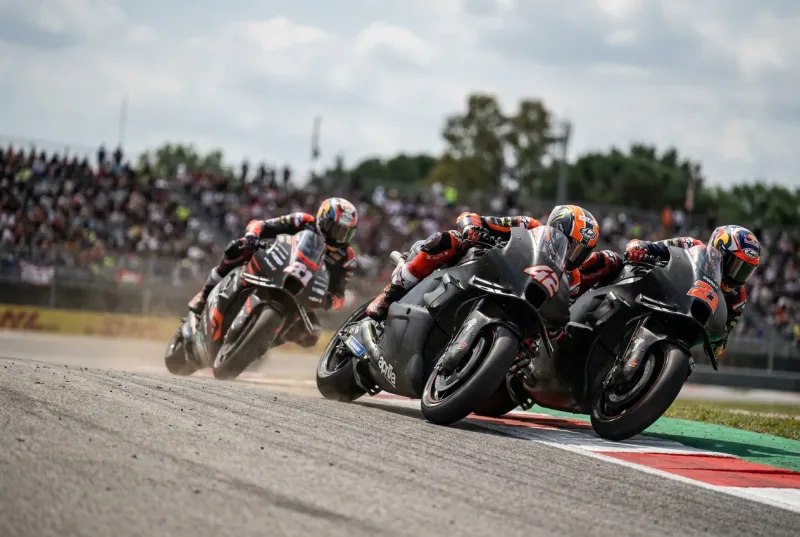
A dança das cadeiras para a temporada de 2027 reflete o desespero das fábricas em encontrar consistência em um mercado inflacionado. A confirmação de Jorge Martín e Ai Ogura na Yamaha, enquanto Marc Márquez e Pedro Acosta ocupam a equipe oficial da Ducati, demonstra que os construtores estão trocando peças na esperança de que uma mudança de ambiente corrija falhas estruturais de pilotagem.
A Aprilia aposta em Marco Bezzecchi e Francesco Bagnaia, enquanto a KTM abriga Álex Márquez e Fabio Di Giannantonio. Entretanto, nenhuma mudança de chassi ou contrato milionário corrigirá a falta de inteligência emocional dentro do capacete. Se o desenvolvimento das motos de fábrica exige dados precisos, a inconstância dos pilotos atuais atrasa a evolução técnica das equipes. Essa busca por desempenho puramente mecânico ignora o fato de que a essência do esporte ainda reside no controle humano, algo similar às reflexões sobre engenharia e durabilidade que abordamos ao analisar como a evolução técnica e as exigências modernas mudaram as motos de rua.
A Eletrônica como Muleta e a Perda do Racecraft
Para entender o declínio no nível de disputas diretas, é preciso analisar como a formação dos novos pilotos mudou nos últimos anos. A dependência excessiva de mapas de controle de tração, freio motor ajustável por setor e dispositivos de altura (ride-height devices) criou uma geração de pilotos que sabe acelerar em linha reta, mas não domina a arte da pilotagem pura. Quando um componente eletrônico falha ou os pneus sofrem degradação atípica, esses competidores ficam completamente perdidos.
O controle fino de acelerador em momentos de baixa aderência, algo que consagrou pilotos da era das 500cc e dos primeiros anos das 800cc, tornou-se uma arte esquecida. Essa dependência tecnológica contrasta com o aprendizado prático e a sensibilidade mecânica exigida na pilotagem real nas ruas e pistas, tema central da nossa avaliação sobre o comportamento de pilotagem na linha Yamaha MT e o motor Crossplane.
O Veredicto: Sem Fome, Não Há Legado
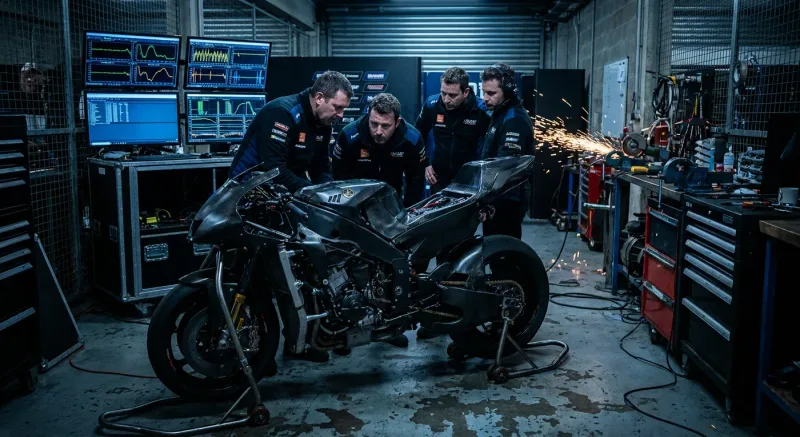
A temporada de 2026 entrará para os livros de história não pelo brilho das disputas, mas por confirmar que a atual geração da MotoGP perdeu a fome de vitória. Pilotos satisfeitos com contratos confortáveis, cercados por staffs gigantescos e focados no engajamento em redes sociais parecem aceitar derrotas e quedas com uma naturalidade desconcertante. Dar desculpas sobre a pressão dos pneus ou culpar o vento na entrevista coletiva tornou-se o padrão da categoria.
Enquanto essa mentalidade prevalecer, um Marc Márquez veterano, operando com 80% da sua capacidade física histórica e utilizando peças defasadas, continuará ditando as regras do jogo. O domínio dos irmãos Márquez não é um monumento à sua invencibilidade, mas um espelho incômodo que reflete a preguiça, a imaturidade e a falta de culhões de um grid que prefere a desculpa do box ao risco da vitória na pista.
Posts recomendados

Comentários (0)
Participe da discussão
Faça login ou cadastre-se rapidamente para enviar seu comentário. É simples e leva menos de 1 minuto!
Nenhum comentário por enquanto. Seja o primeiro a opinar!