 MotoGP
Back to Home
MotoGP 5 min read time 0 viewsJul 26, 2026
The Honest Truth About the Kawasaki Ninja 300 in 2026: Is It Still Worth Buying?
We dive deep into the reality of owning a Kawasaki Ninja 300 in 2026. From the high revving engine to the actual maintenance costs on the street, find out if this sport bike is the right choice for your garage.
The Honest Garage Truth: Is the Ninja 300 Worth Your Money in 2026?
If you are standing at the dealership right now wondering whether buying a zero kilometer Kawasaki Ninja 300 in 2026 is a smart move, I will give you the absolute straight answer right off the bat. No, it is a terrible idea to pay premium brand new prices for a machine that is essentially a revived 2013 project. However, if you are looking at the used market for models produced between 2014 and 2018, you are looking at one of the absolute best entry level sport bikes you can park in your garage. That is the real reality of the asphalt today, completely stripped of any marketing fluff.
I remember clearly when this motorcycle first hit our streets at the end of 2012. We were all incredibly used to the old Ninja 250R. That older bike was a fantastic learning platform for many of us who wanted to learn the ropes of sport riding. But then Kawasaki decided they needed to punch significantly higher. They did not just slap on some new stickers. They completely overhauled the engine architecture, increased the piston stroke, and bumped the displacement to a true 296 cc. They also wrapped it in aggressive fairings that made it look exactly like the legendary ZX 10R superbike.
The market impact was immediate and massive. Back then, the Honda CBR 250R was trying to dominate the small displacement sport category. But within a few months in early 2013, the new Kawasaki completely crushed the Honda in sales. Riders everywhere were eager to pay for that extra horsepower. The jump from 33 horsepower to a very solid 39 horsepower was something you could actually feel in your chest when you twisted the throttle on the highway.
What makes this bike so incredibly special even today is the imposing aura it carries. It is not just a cheap commuter bike wearing plastic fairings. It has a legitimate sport bike stance that makes you feel like you are riding a much larger machine. The clip on handlebars give you a tucked in riding position that screams speed. But looking cool in the parking lot is one thing. Living with this parallel twin engine on real city streets is another story completely.
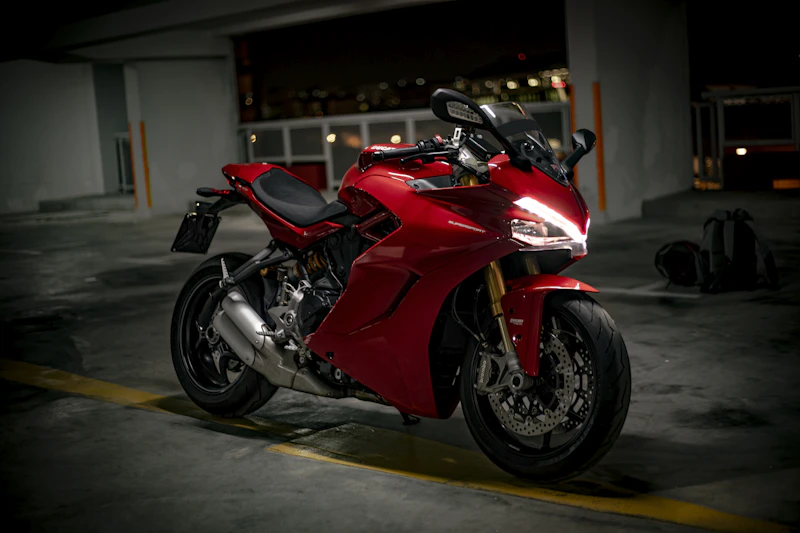
Engine Performance and Braking: High Revs and Street Reality
Let me tell you right away that this parallel twin engine is absolutely thirsty for high revolutions. If you are stepping up from a single cylinder street bike that gives you all its torque at low speeds, you will need to change your riding style completely. The peak power of 39 horsepower only arrives at a screaming 11,000 rpm. The torque peaks at 10,000 rpm. For your daily city commute, this means you have to keep the engine full and revving hard. You will find yourself shifting gears constantly just to keep the revs up. This engine character is incredibly fun on an open canyon road but it can be slightly tiring in heavy stop and go traffic.
But here is exactly where Kawasaki saved our wrists. They introduced an assist and slipper clutch system developed directly from their racing experience. Back when this bike launched, this was strictly superbike territory technology. The assist function acts like a servo mechanism, making the clutch lever ridiculously light. The slipper function is an absolute lifesaver when you are riding aggressively. If you mess up a harsh downshift before entering a tight corner, the clutch plates will slip slightly. This completely prevents the rear wheel from locking up and hopping dangerously on the asphalt.
Then we have to talk about the braking system. Kawasaki equipped this bike with petal type discs. These discs dissipate heat beautifully when you are braking hard repeatedly. The anti lock braking system (ABS) they installed is remarkably compact and not overly intrusive. It allows you to brake very aggressively without panicking when it starts raining.
Official Specs
Kawasaki Ninja 300 (2026 Perspective)
Engine & Performance
- Displacement 296 cc Liquid Cooled Parallel Twin Street Reality: You need to rev it extremely high to feel the real power pulling you forward.
- Max Power 39 hp @ 11,000 rpm Street Reality: It leaves city traffic behind easily but begs you to keep the throttle wide open.
Transmission & Tech
- Clutch System Assist and Slipper Street Reality: The lever feels super light and absolutely saves your wrist in heavy traffic jams.
- Weight 174 kg (ABS Version) Street Reality: Slightly heavy compared to newer rivals but it gives fantastic stability on windy highways.

KRT Edition vs Special Edition: Are They Actually Faster?
Whenever I park this bike at a local gas station, someone always walks up and asks if the KRT Edition has a more aggressive engine map or a stiffer suspension setup. Let me burst that bubble right now. Mechanically speaking, there is absolutely no difference in pure performance between the standard model, the Special Edition (SE), and the Kawasaki Racing Team (KRT) version. They all share the exact same mechanical soul and the same Uni-Trak rear suspension setup.
The Special Edition models usually came with striking color schemes like lime green mixed with ebony black, alongside some very cool pinstripes on the wheels. The KRT edition arrived slightly later as a direct tribute to Jonathan Rea and the massive success of the Kawasaki factory team in the World Superbike championship. It features that gorgeous angular factory race livery. What these special editions did bring to the table was the standardization of the ABS braking system, which was an optional extra on the early base models. The later KRT models also included factory accessories like frame sliders and tank pads. These frame sliders are absolute lifesavers if you ever drop the bike in your driveway.
When you are shopping in 2026, the real competition for a used Ninja 300 is the Yamaha R3 and the newer Kawasaki Ninja 400. The Ninja 400 will completely destroy the 300 on a track day due to its 48 horsepower and significantly lighter trellis frame. If you want a naked alternative with incredible agility and modern technology, you should definitely check out the Yamaha MT 03 2026 review and specs to see how that engine handles daily street duties. But if we are talking strictly about finding a budget friendly sport bike that looks amazing and forgives beginner mistakes, the used Ninja 300 still holds its ground beautifully.

Real World Maintenance Costs and Taxes in 2026
Owning a premium motorcycle is the easy part. Maintaining it properly is where the men are separated from the boys. You absolutely cannot treat a high revving sport bike like a basic delivery motorcycle. If you take this machine straight to the official Kawasaki dealership for every single service, the parts will drain your wallet completely. But here is the genuine secret of the garage. You do not always need the dealer.
To give you a very realistic baseline for costs in 2026, we will use the state of Santa Catarina as our financial reference point. The tax situation in Santa Catarina is absolutely fantastic for bikers because the annual IPVA tax is firmly set at a flat 1 percent of the official market value of the bike. This means if you buy a solid 2015 model valued around 18,900 Reais, your yearly tax in Santa Catarina will be less than 190 Reais. That extremely low tax burden gives you extra breathing room in your budget to spend on high quality maintenance items.
When it comes to replacement parts, authorized dealers in Santa Catarina like Premium Motors or Kawasaki Floripa will definitely charge you top dollar. For example, an original factory chain and sprocket kit over the counter will cost you over 2,400 Reais. That is completely insane for a 300 cc motorcycle. Instead of burning money, smart riders buy top tier aftermarket Japanese DID chain kits for around 440 Reais. The exact same logic applies strictly to brake pads and oil filters. You can get excellent EBC sintered brake pads or Hiflo oil filters for a tiny fraction of the original factory price, and they will perform just as well on the street.
My final verdict is crystal clear. If you buy a zero kilometer Kawasaki Ninja 300 in 2026 for over 31,000 Reais, you are making a terrible financial mistake. But if you hunt down a well maintained used model, respect the synthetic oil change intervals, and buy quality aftermarket parts, you will own a truly bulletproof machine. It is a fantastic entry point into the sport bike world that will make you smile every time you rev it past 10,000 rpm.
Tags:MotoGPKawasaki Ninja 300review 2026motorcycle costssport bikebeginner motorcyclemaintenance costs
Recommended Posts

Comentários (0)
Participe da discussão
Faça login ou cadastre-se rapidamente para enviar seu comentário. É simples e leva menos de 1 minuto!
Nenhum comentário por enquanto. Seja o primeiro a opinar!