 MotoGP
Back to Home
MotoGP 5 min read time 0 viewsJul 26, 2026
The Brutal Truth About Emission Laws and Classic Motorcycle Legends
An honest, garage level analysis of how emission laws and market shifts actually affected legendary motorcycles like the XT 660R and RD 350, including a 2026 financial guide.
If you are standing in your garage in 2026 staring at your beloved classic motorcycle and wondering if the strict environmental laws slowly strangled the life out of your engine, let me give you the raw truth right from the start. Legislation like the PROMOT 3 emission standards did not kill legends like the Yamaha XT 660R or the infamous RD 350. The real culprits were a mix of globalization, a massive shift in consumer tastes, and the unstoppable evolution of electronic fuel injection technology.
I have spent countless hours wrenching on bikes and listening to riders complain that modern laws ruined everything. We all remember when PROMOT 3 hit the Brazilian market back in 2009. It was a terrifying time for purists. The new regulations demanded a drastic reduction in carbon monoxide and nitrogen oxide emissions. It was the absolute end of the road for the classic carburetors on middle and high capacity motorcycles.
Some bikes suffered terribly during this transition. I clearly remember the Honda Falcon disappearing from the showrooms because its old carburetor setup just could not pass the test. When it finally returned years later with electronic fuel injection, it felt completely neutered, dropping from a respectable thirty horses to a sluggish twenty eight. This created a massive panic in the community, making everyone believe that clean air meant slow bikes. But as you will see in this detailed 2026 Yamaha MT 03 review, clever engineering often finds a way to bend the rules without breaking the spirit of the machine.
The motorcycle market in 2026 is totally different from those early days of panic. We have learned that electronic fuel injection was not an enemy. It was just a different tool. We traded the smell of rich gasoline and manual choke levers for precision and reliability. But the myths from that era still survive in internet forums and gas station conversations today. It is time we look at the actual engineering data and separate the street reality from the factory manual fiction.
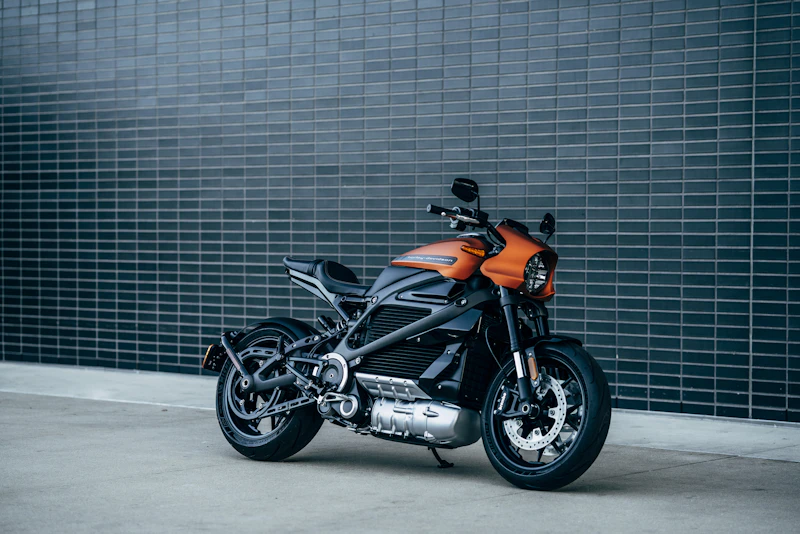
The Yamaha XT 660R and the Electronic Rescue
Let us talk about the absolute king of the urban jungle, the Yamaha XT 660R. We affectionately call it the "meiota" down here. When the 2009 emission restrictions dropped, everyone assumed this massive single cylinder thumper would lose its legendary torque. But Yamaha was already one step ahead. They had introduced electronic fuel injection to the Brazilian version way back in 2005. To meet the new strict standards, they did not have to restrict the engine at all. They simply bolted an oxygen sensor directly into the exhaust pipe.
This lambda probe allowed the engine control unit to constantly analyze the exhaust gases in real time. It adjusted the air and fuel mixture perfectly. The result was that the XT 660R kept its full forty eight horsepower. It lost absolutely zero aggressiveness in the lower revs. However, the factory exhaust system was extremely heavy because of the internal catalytic converters. That is why the most common modification I see today is the complete removal of the catalyst system.
When you swap that heavy restrictive pipe for a stainless steel racing exhaust, the magic happens. You lose a ton of dead weight, which drastically improves the center of gravity. More importantly, getting rid of that bottleneck improves the exhaust scavenging effect. The engine breathes better, giving you a massive boost in low end torque and an acoustic signature that sounds like a thunderstorm rolling through the streets.
Official Specs
Yamaha XT 660R
Engine & Performance
- Maximum Power 48 hp at 6000 rpm Street Translation: It pulls hard and early, making highway overtakes effortless without needing to rev the life out of the engine.
- Maximum Torque 5.95 kgf.m at 5250 rpm Street Translation: A brutal low end punch that lifts the front wheel with ease if you get clumsy with your right wrist.
- Dry Weight 165 kg Street Translation: It feels slightly top heavy at a standstill but becomes surprisingly nimble once you get moving above twenty miles per hour.
The XT 660R was not the only bike saved by technology. The Kasinski Comet GT 250 also faced the chopping block. It was a beautiful bike with a massive V twin engine that made it look like a much larger machine. To survive the laws, the manufacturer ditched the carburetors and introduced a sophisticated electronic fuel injection system with a large throttle body. Instead of losing power, the injected Comet stabilized its output at a solid twenty nine horsepower.
Riding a Comet in 2026 is a completely different challenge, though. Since the factory went bankrupt years ago, keeping one alive requires hunting through scrapyards and specialized online stores. The consumable parts like brake pads are easy to find, but replacing a frame or a complete cylinder head means relying entirely on the used parts market.
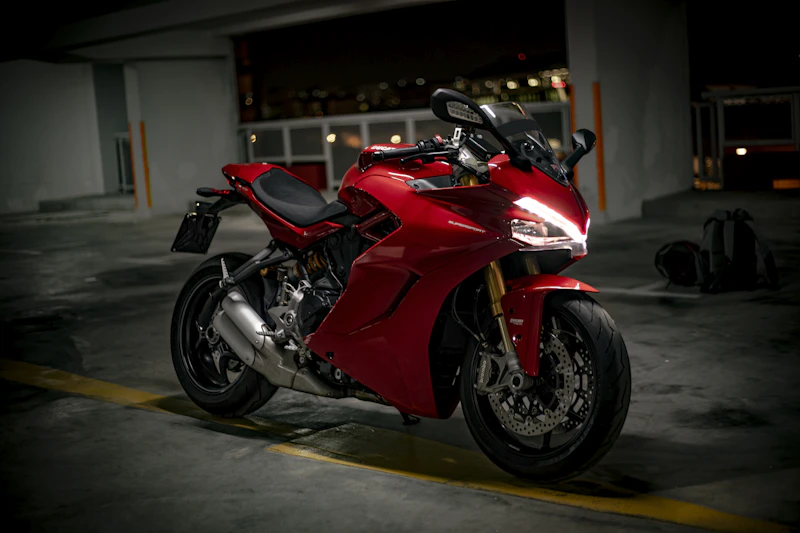
The Truth Behind the RD 350 Black Widow Legend
Now we have to address the biggest myth in Brazilian motorcycle history. If you search online, you will find countless articles claiming that emission laws killed the glorious Yamaha RD 350. That is a complete lie. The production of the RD 350 ended in 1993, a full decade before any serious environmental laws were even drafted for motorcycles.
The real story of the RD 350 is a tale of two eras. In the seventies, the imported versions were absolute monsters. They had two stroke engines, zero electronic aids, and pathetic rear drum brakes. They accelerated so violently and stopped so poorly that they earned the dark nickname of the "Black Widow". People were crashing them constantly because the chassis simply could not handle the raw power.
By the late eighties, Yamaha started building them locally in Manaus. They introduced the YPVS technology, which was a microprocessor controlled valve in the exhaust. It fixed the terrible low end torque problem of two stroke engines and made the power delivery smoother. But there was a catch. The European bikes were pushing around sixty horsepower, while our national version was restricted to exactly fifty five horsepower.
This power drop had absolutely nothing to do with saving the environment. It was purely an engineering survival tactic. The gasoline sold in Brazil back then was notoriously terrible. It had low octane ratings and was frequently adulterated. If Yamaha had kept the high compression ratio of the European models, our engines would have detonated themselves into pieces. They lowered the compression just to keep the bikes from blowing up at the gas station.
So what really killed the RD 350? The answer is simple economics and globalization. In the early nineties, the government finally opened the ports to foreign imports. Suddenly, the market was flooded with modern four cylinder Japanese sport bikes like the Honda CBR 600 and the Kawasaki Ninja. Riders immediately fell in love with the reliability, the deep roaring sound, and the prestige of the big four stroke engines. The RD 350, with its smoky exhaust and demanding preventative maintenance schedule, suddenly looked like a dinosaur. It died a natural commercial death.
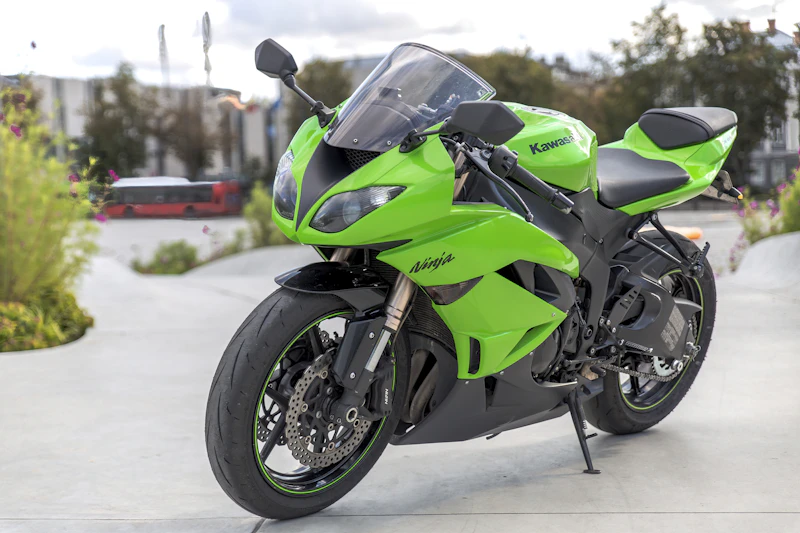
The Real World Costs and Financial Reality in 2026
Let us step out of the history books and look at your wallet. Keeping these legends on the road in 2026 requires more than just passion. It requires cold hard cash. The market dynamic has shifted significantly over the last few years, and some bikes have become incredibly solid financial investments.
Take the XT 660R for example. It is holding its value better than gold. Because Yamaha never brought a direct replacement to our market, a pristine 2014 model is currently demanding around forty two thousand reals on the used market. That is practically zero depreciation over twelve years. It is a bike you can buy, ride aggressively for a year, and sell for exactly what you paid.
But the real secret to keeping these older machines running without going broke lies in understanding regional legislation. If you live in Santa Catarina, the year 2026 brings some of the most aggressive and beneficial tax relief programs we have ever seen in the automotive sector. The government recently updated their property tax laws, making Santa Catarina an absolute paradise for motorcycle enthusiasts.
Starting this year, any vehicle that is twenty years old or older is fully exempt from the state IPVA tax. That means if you own a 2006 Yamaha XT 660R or any vintage RD 350, you are legally free from the annual property tax burden. You only need to pay the basic licensing fee to keep it street legal. Furthermore, if you own a commuter bike under 200cc and maintain a clean driving record with zero traffic tickets for a year, Santa Catarina grants you an automatic tax exemption as a reward for safe riding.
For bikes that do not fit these exemptions, like a newer Kasinski Comet or a 2014 XT 660R, the state charges a very fair one percent tax rate based on the official table value. This combination of strong resale values and friendly tax laws proves that owning a piece of motorcycle history in 2026 is not just a romantic dream. It is actually a very smart financial decision. You just need to know how to navigate the market and avoid the myths.
Tags:MotoGPYamaha XT 660RRD 350 Black WidowPROMOT 3motorcycle emissions lawsKasinski Comet 250motorcycle market 2026
Recommended Posts

Comentários (0)
Participe da discussão
Faça login ou cadastre-se rapidamente para enviar seu comentário. É simples e leva menos de 1 minuto!
Nenhum comentário por enquanto. Seja o primeiro a opinar!