 Reviews
Volver para Home
Reviews 17 min de leitura 4 visualizações02 de ago. de 2026(Atualizado em 02 de set. de 2026)
Financiar Moto em 2026: Pague Duas e Leve Apenas Uma
Você trabalha em cima de uma moto enquanto paga duas para o banco. Veja a verdade sobre as populares e os lançamentos de 2026.
Ouça a Narração deste Post
00:0000:00
O Preço Invisível de Rodar com a Moto Mais Vendida do Brasil
Você acorda antes do sol nascer, calça a bota surrada, ajusta a capa de chuva no baú e liga o motor. O som da roçadeira trabalhando o dia inteiro no corredor de carros é o fundo musical da sua sobrevivência. Só que tem um detalhe que ninguém te conta na concessionária iluminada, com cheiro de café novo e ar-condicionado no talo: enquanto você sua a camisa no asfalto quente para fazer 30, 40 entregas no dia, você não está pagando apenas o seu ganha-pão. Você está trabalhando para pagar a sua moto e a moto do diretor do banco.
A conta da vida real no corre diário é indigesta. O sujeito entra na ilusão da parcela pequena, daquele boleto de trezentos ou quatrocentos reais que cabe no bolso do final de semana. Mas quando você coloca na ponta do lápis o financiamento em 36, 48 ou até 60 vezes de uma moto urbana de entrada ou de meia cilindrada, a matemática do trabalhador vira um pesadelo. No fim do contrato, você entregou o valor de duas motos zero quilômetro para a instituição financeira e ficou com uma ferramenta desgastada, cheia de folga na caixa de direção, pneu careca e precisando de retífica de motor.
"Rodar no corre diário financiado em 48 vezes é como pagar aluguel de uma casa que nunca vai ser sua por inteiro, porque quando você finalmente quita o carnê, a moto já virou sucata nas suas mãos."
Essa é a armadilha velada do mercado brasileiro de duas rodas. A necessidade de trabalhar faz o motociclista aceitar juros abusivos e taxas embutidas que transformam a compra de um veículo utilitário em uma dívida perpétua. Antes de assinar qualquer proposta na empolgação, é fundamental entender se entrar em um financiamento longo de uma Honda 0km em 48x vale a pena ou é armadilha para o seu orçamento mensal.
No final do mês, a conta não fecha apenas com o valor da parcela. Tem o óleo trocado a cada mil ou dois mil quilômetros, arelação que consome no trânsito pesado, a pastilha de freio que gasta nas freadas bruscas de corredor e o seguro que só aumenta por causa dos índices de roubo. O preço invisível de pilotar a líder de vendas vai muito além do carnê bancário: ele consome a sua margem de lucro e transforma a liberdade sobre duas rodas em um contrato de servidão sobre o guidão.

Capital Moto Week: Onde o Marketing Esconde os Custos Reais
Quem anda pelos corredores gigantescos e iluminados do Capital Moto Week se encanta fácil. É um espetáculo grandioso, projetado nos mínimos detalhes para vender um estilo de vida onde o vento na cara resolve qualquer problema. A Honda, ocupando o posto de patrocinadora máster, montou uma verdadeira cidade temática dentro do evento, com tirolesa passando por cima da multidão e a estrutura exclusiva do Camping Ville para acolher os motociclistas. É o puro suco do marketing de experiência: faça o cliente se sentir parte de uma família gigante e ele esquecerá a planilha de custos.
Do outro lado da avenida principal do evento, a LS2 Helmets colocou um palco suspenso que chamava a atenção de qualquer um que passava, apresentando capacetes com grafismos exclusivos e coleções especiais a preços de vitrine de shopping. Outras marcas de peso, como Royal Enfield, BMW Motorrad e CFMoto, investiram pesado em estandes modernos e rotas de test ride dinâmicos. A ideia é simples e eficiente: criar o desejo imediato de consumo através da emoção, da adrenalina e do pertencimento a uma comunidade seleta.
Mas quando a poeira do festival baixa, os shows acabam e o público volta para a rotina do trânsito urbano, a magia da tirolesa e dos capacetes comemorativos se dissolve no asfalto esburacado. O marketing das grandes montadoras é especialista em destacar a tecnologia, a aventura e a sensação de liberdade, enquanto esconde habilmente o custo operacional real de manter essas máquinas rodando no dia a dia do Brasil.
A realidade nua e crua é que o espetáculo do evento é pago indiretamete pelo próprio consumidor. Cada ativação milionária, cada estrutura de camping patrocinada e cada show de luzes no palco principal já estão embutidos no preço final da moto, nas revisões obrigatórias com preços absurdos nas concessionárias e no valor das peças de reposição originais. A indústria vende o sonho da estrada aberta no fim de semana para quem precisa enfrentar cinco horas de corredor engarrafado na segunda-feira de manhã.
A Estratégia da Honda para 2026: Da Pop 110i à CB1000 Hornet
A Honda já traçou o seu plano de voo para os próximos anos e a cartada da montadora japonesa cobre desde o trabalhador da periferia até o piloto que busca performance extrema nos finais de semana. Para marcar território e celebrar sua trajetória no país, a marca trouxe a CG 160 Titan Special Edition 50 Anos, apostando na nostalgia e no visual diferenciado para manter a hegemonia da moto mais vendida do Brasil. Além disso, no segmento de entrada mais puro, foi confirmada a chegada da Pop 110i ES 2027 para maio de 2026, mantendo a receita de partida elétrica e simplicidade mecânica extrema.
No topo da cadeia alimentar das urbanas esportivas, a gigante japonesa apresentou a agressiva CB1000 Hornet e sua versão SP, trazendo o motor quadricilíndrico derivado diretamente da superesportiva CBR1000RR. Mas a grande aposta tecnológica que promete mudar a dinâmica de pilotagem na média cilindrada é a introdução do sistema E-Clutch nas linhas de 750 cc, marcando presença na CB 750 Hornet e na aventureira XL750 Transalp. Essa tecnologia permite trocas de marcha sem a necessidade de acionar a alavanca de embreagem no manete, oferecendo conforto urbano e rapidez nas trocas.
No entanto, do ponto de vista prático e financeiro, cabe o questionamento seco: até que ponto essas inovações justificam o escalonamento contínuo nos preços praticados nas concessionárias? A adição de um sistema eletrônico como o E-Clutch em uma moto de trabalho ou de uso misto adiciona camadas de complexidade mecânica que, no futuro, podem se transformar em manutenção cara fora da garantia.
Edições especiais de 50 anos nada mais são do que motos tradicionais com adesivos comemorativos e pintura diferenciada vendidas por um ágio desproporcional no balcão da loja. A Honda domina o mercado com maestria, mas o consumidor precisa filtrar o que é real avanço tecnológico necessário para o seu dia a dia e o que é apenas pretexto comercial para encarecer ainda mais uma frota que já custa muito acima da realidade do trabalhador brasileiro.
Yamaha e a Apostas no Híbrido Leve e Conectividade Y-Connect
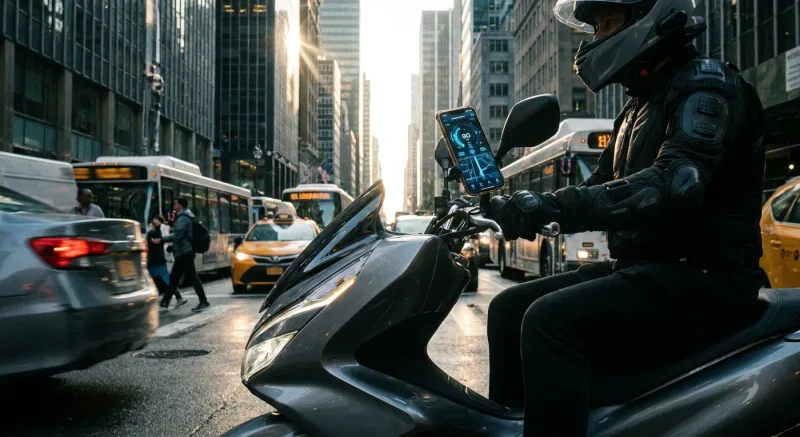
Na tentativa de frear o domínio avassalador da sua rival histórica, a Yamaha resolveu jogar as suas fichas na eficiência energética e na tecnologia da informação. A grande apostas da marca dos três diapasões para a mobilidade urbana centra-se na Fluo ABS Hybrid Connected de 125 cc. Equipada com um sistema híbrido leve, a scooter utiliza o gerador do motor elétrico para dar uma força extra nas arrancadas de semáforo, reduzindo o esforço do motor a combustão nos momentos de maior consumo de combustível.
Junto a isso, a Yamaha expandiu agressivamente o ecossistema Y-Connect para diversos modelos da sua gama, como a linha Fazer, Lander e a família MT. A proposta é permitir que o piloto monitore o estado da moto, alertas de manutenção, consumo médio e até a localização do veículo diretamente na tela do smartphone. É um apelo visual e tecnológico inegável para uma geração de condutores que não se desconecta nem mesmo quando está sobre duas rodas.
Contudo, quando trazemos essa tecnologia para o trânsito pesado e brutal das metrópoles brasileiras, a economia teórica precisa provar seu valor financeiro real. O ganho de combustível de um sistema híbrido leve em uma scooter de 125 cc costuma ser modesto em valores absolutos no fim do mês. Para quem roda forte, a diferença no bolso entre fazer 42 km/l ou 45 km/l demora anos para amortizar o custo extra pago na aquisição do veículo com essa tecnologia embarcada.
Além do mais, o excesso de sensores e baterias auxiliares cria novos pontos de atenção na oficina mecânica. Se você quer entender se essa estratégia de tecnologia realmente compensa o investimento em comparação com o desempenho das consagradas nakeds da marca, vale conferir a avaliação dos custos reais da linha Yamaha para não ser enganado pelo discurso ecológico e moderno das campanhas publicitárias.
👍 Pontos Fortes
- Liquidez Absoluta: Facilidade extrema de revenda no mercado de usados a qualquer momento.
- Rede de Peças: Peças originais e paralelas disponíveis em qualquer região do país.
- Mão de Obra Qualificada: Praticamente qualquer oficina conhece a mecânica dessas marcas.
A Invasão Chinesa: CFMoto Ibex 450 e a Mudança do Jogo
Quem acompanha o dia a dia na graxa e no asfalto já percebeu que o cenário mudou. As marcas tradicionais japonesas se acomodaram durante anos no mercado brasileiro, entregando o mínimo de tecnologia pelo maior preço possível. Mas o primeiro semestre de 2026 marca uma virada de chave definitiva com a chegada ostensiva da chinesa CFMoto, que desembarca disposta a escancarar as margens de lucro absurdas praticadas no Brasil.
O grande destaque dessa ofensiva é a aguardada Ibex 450, uma aventureira de média cilindrada projetada sob medida para quem quer encarar a terra e a estrada sem precisar vender um rim. Além dela, a marca traz a linha custom CL-C 450 e sua versão CL-C 450 Bobber, mostrando que não veio apenas para cobrir nichos, mas para encarar de frente qualquer concorrente de média cilindrada.
A Ibex 450 chega ao mercado com um preço estimado em R$ 41.000,00. Quando você coloca no papel o que esse valor entrega em comparação com as concorrentes diretas do mercado nacional, o susto é garantido. Estamos falando de um motor bicilíngrico paralelo de 449 cm³ muito esperto, suspensão de cinto longo, freios ABS com desligamento total para o uso off-road, controle de tração de série e painel TFT completo com conectividade. Enquanto a concorrência cobra o mesmo valor por motocicletas monocilíndricas e com eletrônica podada, a CFMoto entrega um pacote pronto para a viagem sem exigir adicionais de concessionária.
Ficha Técnica: CFMoto Ibex 450
- Categoria: Aventureira (Adventure/Trail)
- Motorização: Bicilíndrico Paralelo, 449 cm³
- Potência Máxima: 44 cv
- Torque Máximo: 4,4 kgfm
- Tecnologia e Segurança: Freios ABS (desligável), Controle de Tração, Painel Digital TFT Conectado
- Preço Estimado: R$ 41.000,00
- Chegada ao Mercado: 1º Semestre de 2026
Essa estratégia agressiva da CFMoto escancara uma realidade indigesta para o motociclista brasileiro: ficamos anos pagando preço de moto premium por projetos defasados. A presença de um modelo bem equipado como a Ibex 450 força o mercado a se mexer, provando que é possível entregar tecnologia de ponta, motorização bicilíngrica moderna e acabamento de primeira linha sem achacar o bolso do piloto. Para quem está cansado de pagar caro por etiqueta, a invasão chinesa é a melhor notícia dos últimos tempos.
Royal Enfield: A Linha Clássica que Foge da Roda dos Financiamentos
Enquanto o mercado tradicional insiste em reajustes mensais de tabela e juros abusivos nas concessionárias, a Royal Enfield construiu uma verdadeira fortaleza no Brasil oferecendo o que o motociclista mais procura: motos com personalidade, chassi robusto e preço justo. A estratégia da marca indiana para 2026 prova que o estilo retrô e a mecânica simples deixaram de ser apenas um charme estético para se tornarem o principal refúgio de quem recusa pagar preço de ouro em uma motocicleta zero quilômetro.
A expansão do portfólio para 2026 divide-se em três plataformas estruturadas para atender desde o uso urbano diário até longas viagens de fim de semana. Na plataforma de entrada de 350 cc, o destaque fica para a nova Goan 350, reforçando a família ao lado dos sucessos consolidados da Hunter 350, Classic e Meteor. É a porta de entrada ideal para quem quer escapar do transporte público ou do parcelamento infinito das linhas de entrada japonesas.
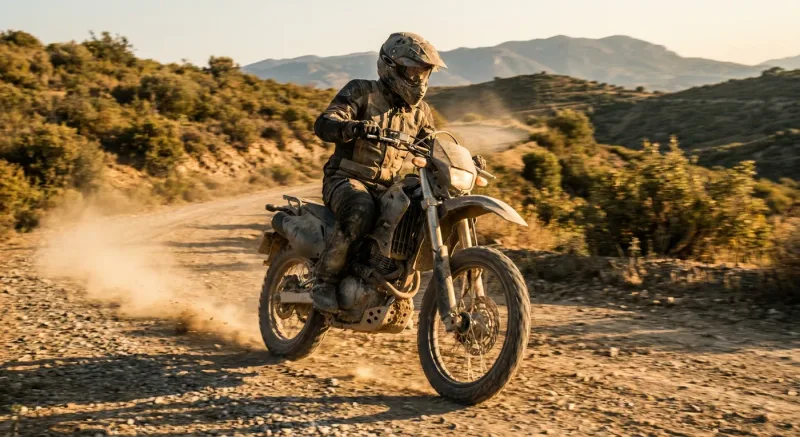
Na média cilindrada, a plataforma 450 de motorização moderna ganha tração com a chegada da roadster Guerrilla 450, ao lado da consagrada New Himalayan 450, entregando refrigeração líquida e dinâmica ágil para o trânsito pesado. Já para quem busca o ronco encorpado e o torque de sobra nas estradas, a vitoriosa plataforma bicilíndrica de 650 cc ganha o reforço crucial da Classic 650 e da scrambler Bear 650, juntando-se aos modelos Shotgun e Super Meteor 650.
Essa diversificação sem inflacionar o preço de venda é um tiro certeiro no mercado nacional. Você pode entender mais sobre esse movimento analisando o artigo sobre por que as motos clássicas ganharam novos rumos no mercado. O fato é que a Royal Enfield provou que dá para rodar de média e alta cilindrada com estilo sem se escravizar em 48 parcelas que dobram o valor do veículo no final do contrato.
O Nicho Premium: BMW, Triumph, Kawasaki, Suzuki e Ducati
O topo do mercado de duas rodas no Brasil continua sendo uma vitrine de tecnologia impressionante, reservada a um público seleto que não se abala com a inflação ou com as taxas de juros. Os lançamentos para a linha 2026/2027 mostram que a engenharia europeia e japonesa de alta cilindrada não economiza em refinamento para conquistar os pilotos mais exigentes do país.
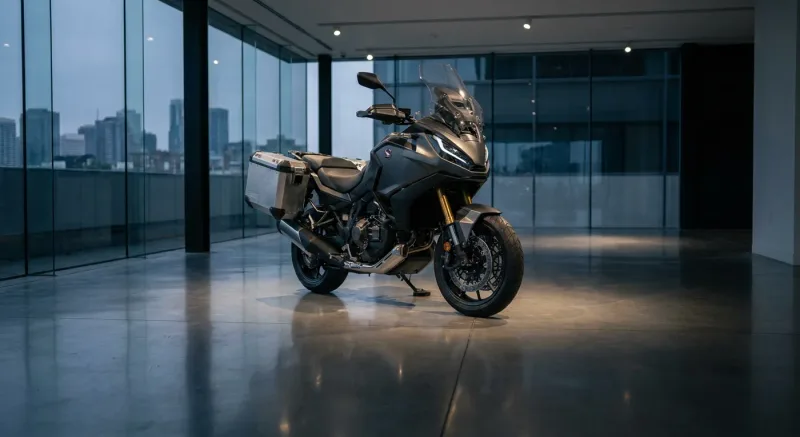
Entre as grandes novidades, a BMW traz a purista R 12 G/S com seu icônico motor boxer de 1.170 cm³, enquanto a Triumph amplia seu leque com a crossover touring Tiger Sport 800 de motor tricilíndrico. A Kawasaki atualizou sua estradeira de respeito, a Versys 1100 de quatro cilindros, acompanhada da Suzuki que lança a tecnológica GSX-S 1000 GX. No ápice da esportividade aventureira, a Ducati apresenta a refinadíssima Multistrada V4S 2026, recheada de assistência eletrônica de última geração.
No entanto, olhando para a realidade do trânsito brasileiro, a conta não fecha de forma justa. Enquanto esse nicho super premium recebe suspensões eletrônicas semiativas, radares de ponto cego e painéis que parecem computadores de bordo, quem segura a arrecadação e o volume do mercado é o trabalhador da baixa cilindrada. É o motoboy, o entregador e o piloto do dia a dia que sustentam a infraestrutura e a margem das grandes montadoras comprando motos de 160 cc a preços absurdos.
Existe um contraste escancarado nas vitrines: a tecnologia de ponta é entregue a quem usa a moto para o lazer no final de semana, enquanto a ferramenta de trabalho do dia a dia continua pagando a conta de margens operacionais elevadas nas concessionárias de entrada. Entender essa dinâmica é fundamental para não cair na armadilha de financiar uma moto básica achando que está fazendo um grande negócio.
A Chegada de Voge, TVS e a Fábrica da Hero MotoCorp no Brasil
Se as marcas tradicionais achavam que teriam paz nos próximos anos, os anúncios de movimentação industrial para 2026 vieram para acabar com o sossego. A reconfiguração da produção e distribuição no Brasil trará três gigantes asiáticas operando com força total, o que deve sacudir as estruturas do mercado de entrada e média cilindrada.
Primeiro temos a confirmação de início das operações comerciais da Voge, marca premium do poderoso Grupo Loncin. Eles chegam ao país trazendo modelos de peso, com destaque para a aventureira DS900X (equipada com motor bicilíndrico de 895 cm³), além das linhas Valico e Trofeo e das scooters médias SR3 e SR4. Em paralelo, a indiana TVS Motor Company assume sua operação de forma própria no país em 2026, focando no concorrido segmento de scooters de até 200 cm³ e preparando o terreno para a volta da famosa família Apache.
Mas o golpe mais duro na acomodação do mercado nacional vem da Hero MotoCorp. A maior fabricante de motos do planeta oficializou em seu relatório global de investimentos a construção de uma fábrica própria no Brasil em 2026. Produzir em solo nacional significa fugir de taxas abusivas de importação e conseguir colocar motos confiáveis nas lojas a preços que a concorrência não consegue cobrir se mantiver suas margens atuais.
Para o motociclista brasileiro, essa explosão de concorrência é a melhor notícia em décadas. Mais marcas disputando o mesmo cliente significa o fim do ágio na baixa cilindrada, mais equipamentos de série desde os modelos de entrada e, acima de tudo, a oportunidade real do consumidor de escolher onde investir seu dinheiro sem ficar refém de duas ou três opções na cidade.
Veredito das Ruas: Como Não Rasgar Dinheiro ao Comprar Sua Moto
Depois de analisar o panorama completo dos lançamentos, das novas tecnologias e da chegada de montadoras dispostas a brigar por preço, o recado para quem está na rua todo dia precisa ser direto e sem curva. Comprar moto no Brasil no cenário atual exige muito mais razão do que emoção, sob o risco de comprometer a saúde financeira da sua família por anos.
O maior perigo no mercado atual continua sendo a ilusão do parcelamento a perder de vista. O carnê de 48 ou 60 vezes transforma uma moto básica de trabalho em um pesadelo financeiro onde o comprador paga o preço de duas unidades e leva apenas uma para casa, totalmente corroída pela depreciação e pelo custo de manutenção.
Você trabalha em cima de uma moto enquanto paga duas para o banco. Fazer um financiamento longo sem analisar o custo total da operação é a forma mais rápida de rasgar o dinheiro que você ganha no suor do asfalto.
Para não cair nessa armadilha, a regra de ouro a partir de 2026 é olhar para o mercado com olhos abertos. Considere seriamente as marcas emergentes como CFMoto, Royal Enfield, Voge e Hero. Elas estão entregando mais segurança, motores mais eficientes e acabamento superior pelo mesmo valor que as marcas dominantes cobram por modelos pelados. Pesquise o preço das revisões, faça test-ride, fuja do ágio absurdo praticado em lançamentos e lembre-se: moto boa é aquela que cumpre o seu papel no dia a dia e deixa dinheiro no seu bolso no final do mês.
Tags:Reviewsfinanciamento de motomoto 0km 2026honda cg 160yamaha fluo hybridcfmoto ibex 450mercado de motos brasil
Posts recomendados

Comentários (0)
Participe da discussão
Faça login ou cadastre-se rapidamente para enviar seu comentário. É simples e leva menos de 1 minuto!
Nenhum comentário por enquanto. Seja o primeiro a opinar!