 MotoGP
Back to Home
MotoGP 5 min read time 0 viewsJul 26, 2026
The Brutal Reality of the 150cc and 160cc Motorcycle Market in 2026
An honest biker review of the 150cc to 160cc segment in 2026. We compare the Honda CG 160, Yamaha Factor, and the disruptive Bajaj Dominar 160, covering real world specs and costs.
The Brutal Reality of the 150cc and 160cc Motorcycle Market
I always tell riders that the low displacement motorcycle segment is the true backbone of urban survival. You want the short and direct answer for 2026? The Honda CG 160 still completely dominates street sales with its ironclad reliability and massive parts network, but the Bajaj Dominar 160 is officially the most disruptive purchase you can make right now. Delivering 17 horsepower, upside down forks, and aggressive pricing, the Indian manufacturer is aggressively eating into the traditional Japanese duopoly. If you want unmatched parts availability in every corner of the country, you buy the Honda. If you want maximum technology and raw power for your hard earned money, you buy the Bajaj. It is that simple.
The streets have changed immensely this year. We are no longer just looking at cheap delivery bikes. The new Promot 5 emissions regulations forced manufacturers to update their engines, and consumers are demanding more safety features like standard antilock braking systems. The 150cc and 160cc tier represents a delicate balance between acquisition cost, fuel efficiency, mechanical robustness, and maintenance affordability. I have tested these machines in heavy traffic, under torrential rain, and on open highways. I highly recommend that you read our detailed 160cc comparison to fully understand the tectonic shift happening in the streets right now. The Japanese giants can no longer rest on their laurels.
The daily grind requires a machine that will not break your bank or leave you stranded. We are seeing fuel consumption averages easily surpassing 40 kilometers per liter across the board. Yamaha offers the FZ15 and the Factor 150 DX with incredible fuel economy and bulletproof engines. Honda relies on its massive brand trust and liquidity in the used market. Bajaj pushes the envelope by offering premium features normally found on 300cc bikes but priced for the working class. Let us break down exactly what these motorcycles offer and, more importantly, what they actually deliver when you twist the throttle.
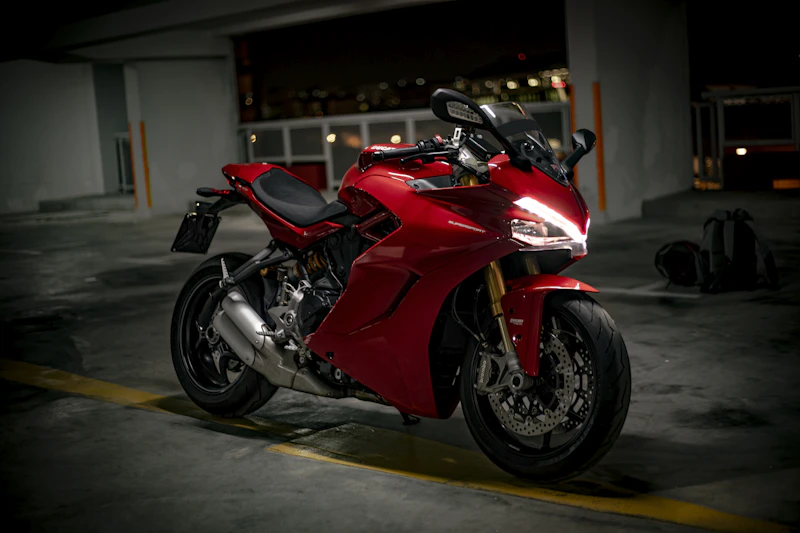
Core Contenders: Japanese Tradition vs Indian Disruption
Honda upgraded the legendary CG 160 lineup for 2026 to keep its crown. The entry level Start remains extremely basic with a drum front brake, but the intermediate Fan version hits the sweet spot with alloy wheels and combined braking. However, the top tier Titan version is where Honda threw their best punches. The 2026 CG 160 Titan now features front wheel ABS as a standard item, alongside a fully digital panel and a highly requested USB C charging port. It produces almost 15 horsepower on ethanol and offers phenomenal low end torque for quick overtakes in dense traffic.
Yamaha refuses to be left behind. Their answer for the working rider is the revamped Factor 150 DX. It brings a full LED headlight, an aviation style fuel cap, and extremely low engine vibrations. While the Yamaha 149cc engine produces slightly less power at 12.4 horsepower, it is globally renowned for surviving absolute abuse. If you want something more premium from Yamaha, the FZ15 gives you a thick rear tire, aggressive streetfighter aesthetics, and a robust chassis that handles cornering like a much larger motorcycle.
Then we have the absolute market disruptor. The Bajaj Dominar 160 changes everything. It produces a class leading 17 horsepower and comes packed with features that make the Japanese bikes look outdated. I prepared a direct breakdown of what this Indian machine brings to the table.
Official Specs
Bajaj Dominar 160 (2026)
Engine & Performance
- Displacement 160.3 cc (Oil Cooled) Street Translation: It breathes better under heavy load and accelerates noticeably harder than its rivals at every green light.
- Power Output 17 cv at 9,000 rpm Street Translation: You get raw passing power for highway overtakes without screaming the engine to death.
Chassis & Safety
- Front Suspension Inverted Forks (Upside Down) Street Translation: Potholes and aggressive cornering do not unsettle the front end. It stays completely planted.
- Brakes Dual Channel ABS Street Translation: Panic braking on wet asphalt will not wash out your front or rear tire. It is a pure lifesaver.

Real World Fuel Consumption and The Trail Segment Clash
Fuel efficiency is arguably the most critical metric for any rider in this segment. Delivery workers often run up to a thousand kilometers per month, making every drop of gasoline count. The Honda CG 160 remains incredibly efficient. In heavy urban stop and go traffic, average consumption ranges from 40 to 45 kilometers per liter. If you take the CG 160 on a highway and hold a steady 90 kilometers per hour, you can easily push past 46 kilometers per liter. With a 16 liter tank, you are looking at a theoretical range of over 600 kilometers.
Yamaha engines are inherently frugal. The heavier FZ15 averages between 35 and 45 kilometers per liter, while the lighter Factor 150 DX easily matches the Honda. The real surprise is the Bajaj Dominar 160. Despite pushing significantly more power, its modern oil cooled engine demonstrates incredible thermal efficiency. Real world riding yields urban averages of 38 to 46 kilometers per liter. This proves you do not have to sacrifice massive fuel economy to gain a few extra horsepower.
We also need to talk about the urban trail bikes. The streets in Brazil often resemble off road trails, making the 150cc to 160cc adventure segment highly contested. It is a direct war between the Honda NXR 160 Bros and the Yamaha Crosser 150. The Honda Bros shares the punchy CG 160 engine, providing robust low end grunt for climbing steep hills. However, the Yamaha Crosser objectively wins when the asphalt ends. The Crosser utilizes a large 21 inch front wheel compared to the 19 inch wheel on the Bros. That larger diameter provides superior gyroscopic stability on loose gravel and rolls over deep potholes with much less drama. Furthermore, Yamaha has always offered front ABS as standard on the Crosser. Honda finally introduced an ABS version for the Bros in 2026, but they charge a hefty premium for it.
Costs, Dealership Realities and Tax Exemptions in Santa Catarina
Now let us talk about the financial bloodbath and the actual dealership reality in Santa Catarina. The factory suggested retail price is essentially a marketing fairy tale. You look at the official Honda website and see the CG 160 Titan listed around 20,000 Reais. Then you walk into a dealership in Florianopolis or Sao Jose and they demand nearly 24,000 Reais out the door. The massive freight charges and insane dealer markups completely destroy the original value proposition. The CG 160 is no longer a strictly budget friendly commuter when it costs as much as an older used car.
Yamaha keeps things slightly more honest in Santa Catarina. You can usually pick up a Factor 150 DX or an FZ15 closer to the suggested price plus a much more modest freight fee. But Bajaj is playing a totally different and aggressive game. To capture the market, they frequently subsidize freight. This means you can buy the heavily superior Dominar 160 for under 19,000 Reais total in Santa Catarina. Considering you get more power and better suspension, it is an absolute no brainer for the smart consumer.
Furthermore, Santa Catarina offers a golden tax haven for low displacement motorcycles. The state government charges a base IPVA rate of just 1 percent on the FIPE value. It gets significantly better. If your motorcycle is under 200cc and you maintain a completely clean driving record for a year, you get a 100 percent IPVA exemption. This zero tax reality makes maintaining a 160cc bike vastly cheaper than upgrading to a 250cc machine. Add the new 2026 rule that exempts all vehicles over 20 years old, and you see why the motorcycle market in Santa Catarina is exploding.
Finally, maintenance costs are shifting the landscape. Honda offers widespread parts in every neighborhood mechanic shop. However, Bajaj introduced a completely transparent fixed price maintenance schedule up to 30,000 kilometers. All your routine dealership services are capped at roughly 2,400 Reais over two years. The traditional duopoly is facing real danger. For residents of Santa Catarina, any of these models represent a highly economical mobility solution, but the Indian disruptor clearly offers the best bang for your buck in 2026.
Tags:MotoGPmotorcycle 2026honda cg 160bajaj dominar 160yamaha fz15160cc motorcyclesfuel consumptionIPVAmotorcycle review
Recommended Posts

Comentários (0)
Participe da discussão
Faça login ou cadastre-se rapidamente para enviar seu comentário. É simples e leva menos de 1 minuto!
Nenhum comentário por enquanto. Seja o primeiro a opinar!