 MotoGP
Back to Home
MotoGP 5 min read time 0 viewsJul 26, 2026
2026 Entry Level Motorcycles: Real Costs, IPVA and Reviews
A no-nonsense breakdown of the 2026 entry-level motorcycle market, comparing the Honda CG 160, Yamaha Factor, and the disruptive Bajaj Dominar, alongside real-world tax costs.
The 2026 Low Displacement Motorcycle Market: What You Need To Know
I have spent countless hours in local garages listening to couriers and daily commuters complain about motorcycle prices. The 2026 entry level motorcycle market is brutally competitive. The new Honda CG 160 remains the ultimate resale champion and everyday workhorse. However, inflated dealership markups are pushing buyers toward the reliable Yamaha Factor 150 or aggressive newcomers like the Bajaj Dominar 160. To make a smart choice, you must look beyond the sticker price and consider the real world freight charges, replacement parts availability, and annual insurance costs.
The sticker price listed on the official manufacturer website is a complete fairy tale. The 2026 Honda CG 160 just received serious structural upgrades to meet the rigorous Promot 5 emissions regulations. You finally get front disc brakes and alloy wheels across the entire lineup. The top tier Titan version even sports a single channel ABS up front and a fancy digital blackout display. But here is the massive catch. The suggested starting price hovers around 16000 BRL. Yet, when you walk into a dealership, they frequently push the final out the door price well above 22000 BRL. They hide massive freight fees and crazy dealer markups in the final paperwork.
You might want to compare that with the Yamaha Factor 150 DX. Yamaha gives you legendary engine reliability and fixed price maintenance plans. The DX trim in matte grey with red wheels looks absolutely fantastic this year. The suggested price sits just under 19000 BRL. But once again, you need to add transport and document fees, bringing your true financed total dangerously close to 21000 BRL. Ultimately, the CG 160 still wins the replacement parts battle. A broken mirror, a scratched fender, or a bent clutch lever on a Honda costs pocket change to fix. The aftermarket parts supply for the CG is infinite, keeping your daily running costs incredibly low.
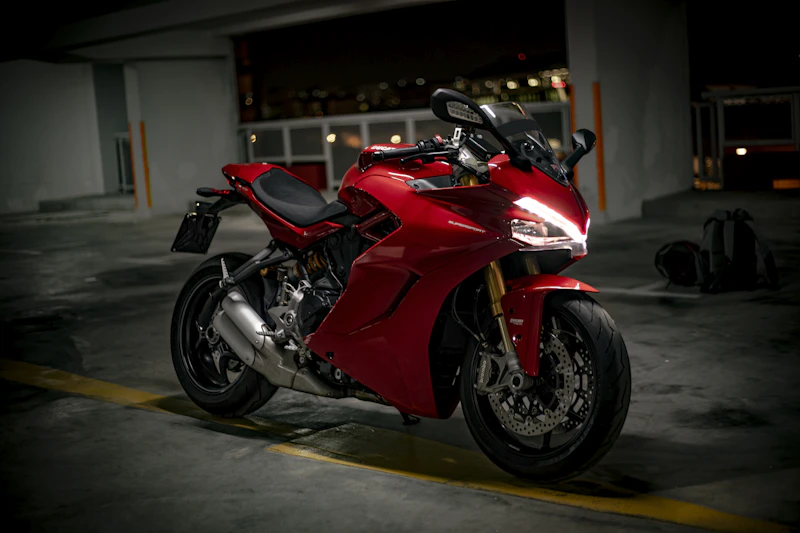
Off Road Capabilities: Honda Bros 160 against Yamaha Crosser 150
If your daily route involves monstrous potholes, speed bumps, or unpaved dirt roads, you absolutely need a dual sport motorcycle. The Honda NXR 160 Bros 2026 finally brings decent modern technology to the table. Honda updated the front fork tubes from 31 millimeters to 33 millimeters, improving stability significantly. They also added options for combined braking or full ABS. The 162cc engine is tuned beautifully for low end grunt, giving you solid pulling power from a dead stop even with a passenger on the back.
On the other side of the ring sits the Yamaha Crosser 150. Yamaha engineers had to choke the 150cc engine slightly to pass those strict 2026 emissions tests. You will definitely feel that missing top end power when trying to pass heavy trucks on the highway. However, the Crosser remains the most comfortable bike in its entire class. The suspension soaks up urban craters effortlessly, and the seat is lightyears ahead of the Honda in terms of lower back comfort.
Official Specs
Honda NXR 160 Bros vs Yamaha Crosser 150
Engine & Power
- Honda Bros Power 14.7 HP at 8500 RPM Street Translation: Excellent grunt when carrying a passenger on steep hills.
- Yamaha Crosser Power 12.2 HP at 7500 RPM Street Translation: Extremely reliable but you will suffer on the highway left lane.
Chassis & Safety
- Honda Bros Suspension 33 millimeter front fork tubes Street Translation: Stronger than before for hitting urban craters safely.
- Yamaha Crosser Comfort Link rear suspension system Street Translation: The absolute best ride quality to save your lower back during long shifts.

Premium 150cc Clash: Yamaha FZ15 vs Bajaj Dominar 160 Performance
Riders are increasingly demanding more luxury in the small displacement category. We want inverted forks, bright digital dashes, and aggressive styling without paying heavy sportbike prices. This desire created the premium street segment. The Japanese giant Yamaha gave us the FZ15. It looks like a heavy muscular machine and handles incredibly well in tight corners thanks to a massive 140 millimeter rear tire. Unfortunately, it uses the exact same 150cc engine found in the basic utility Factor. You are basically paying top dollar for aesthetic muscles without any actual speed to back it up.
Enter the Bajaj Dominar 160. The Indian manufacturer is completely disrupting the 2026 market landscape. They threw a sophisticated four valve engine into the Dominar that pushes 17 horsepower. That engine completely humiliates the FZ15 on a straight line. You also get premium inverted forks and excellent features for a significantly lower price tag, often landing around 17000 BRL. But before you open your wallet and celebrate, remember the mechanic shop reality. Yamaha has a massive, highly established dealer network. If you break a headlight assembly on the Dominar, you might wait weeks for a replacement part to arrive. You trade immediate power for long term parts anxiety. Speaking of larger upgrades, if you ever plan to step up to a bigger machine later, you might want to read my 2026 Yamaha MT 07 review and real world costs to see exactly how the maintenance reality scales up when you leave the small engine category.
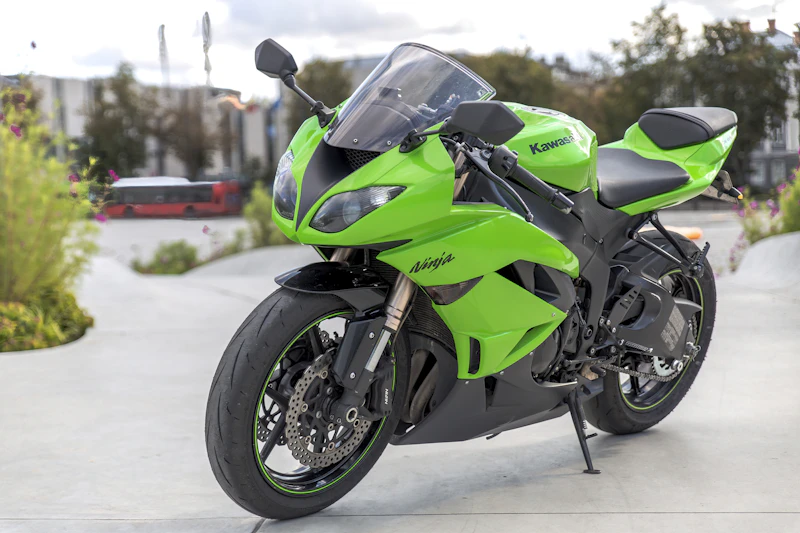
Real World Financials: Taxes, IPVA and Maintenance in Santa Catarina
Now we absolutely need to talk about the actual cost of keeping your motorcycle legally on the road. The initial purchase price is just the beginning of your financial journey. The annual vehicle tax known as IPVA will drain your wallet completely if you live in a highly taxed area. To give you a brutally honest and practical baseline for this year, I always look at the current financial situation in Santa Catarina. That southern state acts as a perfect financial case study for riders in 2026 managing real world expenses.
The state government of Santa Catarina currently applies a brilliantly low IPVA tax rate of just 1 percent for motorcycles. That means if your new Honda CG 160 is valued at 20000 BRL, you only pay a ridiculously low 200 BRL per year to the tax man. They even reward good riding behavior. If you ride a motorcycle under 200cc in Santa Catarina and keep your traffic record completely clean without any speeding tickets, the government grants you full tax exemption. You pay absolutely nothing.
Furthermore, a brand new regulatory law in 2026 means vehicles older than 20 years are entirely exempt from the IPVA tax in Santa Catarina. This is incredible news for riders on a tight budget trying to keep older workhorses alive on the delivery grind. Combine these incredibly friendly state tax policies with the ultra cheap maintenance of the Honda CG parts basket, and you have a flawless recipe for maximum financial efficiency. A shiny bike is useless if you cannot afford the annual paperwork and fuel.
Recommended Posts
Comentários (0)
Participe da discussão
Faça login ou cadastre-se rapidamente para enviar seu comentário. É simples e leva menos de 1 minuto!
Nenhum comentário por enquanto. Seja o primeiro a opinar!