 MotoGP
Back to Home
MotoGP 5 min read time 0 viewsJul 26, 2026
2026 Entry-Level Motorcycles Market: Prices, Real Power, and What You Need to Know
An honest biker to biker analysis of the 2026 entry-level motorcycle market, comparing the Honda CG 160, Yamaha Factor 150, and Bajaj Dominar 160 in the real world.
2026 Entry Level Motorcycles: Real Prices and the Street Truth
If you walked into a dealership this week expecting to pay the factory price for a 2026 entry level motorcycle you probably had a rude awakening. Let me give you the direct answer right here at the top. The suggested retail price is a complete illusion in 2026. Dealership markups and freight fees add thousands to the final tag. If you want cheap parts and easy resale you bite the bullet and buy a Honda CG 160 or a Bros 160. If you prefer a comfortable suspension and a bulletproof engine you go for the Yamaha Factor 150 or Crosser 150. And if you want high end specs on a tight budget the Bajaj Dominar 160 destroys the competition in power but you will suffer to find replacement parts.
I have been riding small displacement bikes my whole life and I can tell you that the market has never been this aggressive. We are looking at a wild scenario where emission laws like Promot 5 are choking engines while riders demand more technology. The days of buying a brand new 150cc bike for pocket change are gone forever. The Honda CG 160 series still controls the streets. The 2026 updates gave the entire line alloy wheels and a front disc brake. The Titan version even got a single channel ABS and a USB charger. That sounds amazing until you realize the dealership wants well over twenty five thousand bucks for it in the real world.
Then we have the Yamaha Factor 150 DX. Yamaha kept things extremely conservative this year with only cosmetic changes like a matte gray color with red wheels. They claim it is the rational choice and honestly they are right. The engine simply refuses to break if you change the oil on time. But do not think you are escaping the price gouging because dealerships are pushing the final financed cost near twenty two thousand anyway. You are basically paying premium money for absolute basic utility.
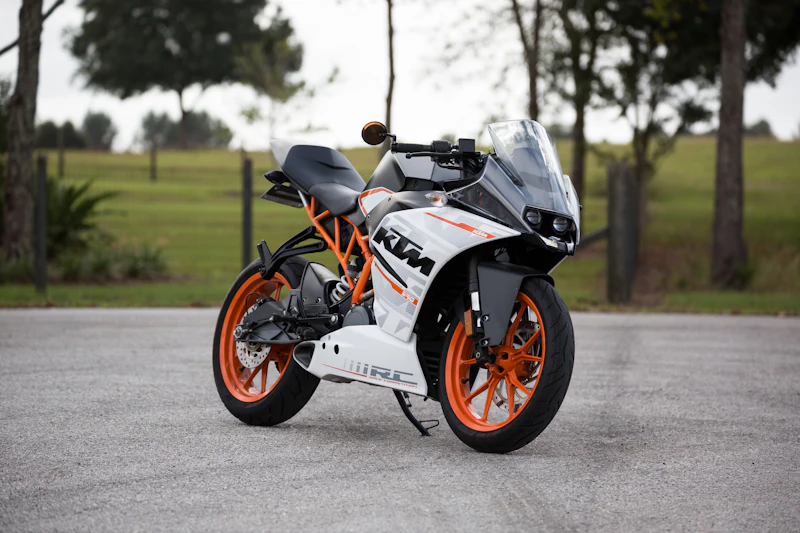
Honda CG 160 Titan vs Yamaha Factor: Specs That Matter
When we look at what these machines actually deliver on the pavement we need to separate the marketing brochure from the dirty asphalt. Here is how the top selling Honda stacks up when you look at the raw numbers.
Official Specs
Honda CG 160 Titan 2026
Engine & Performance
- Engine Capacity 162.7 cc Street Translation: It has enough grunt to get you ahead of traffic at stoplights but do not expect highway miracles.
- Fuel Consumption 40 km per liter Street Translation: Extremely friendly to your wallet and keeps you away from the gas pump for days.
Brakes & Suspension
- Front Brake Disc with ABS Street Translation: Finally a safety feature that prevents you from sliding in the rain when a car stops abruptly.
Now let us talk about the dirt capable side of the garage. The Honda NXR 160 Bros got some serious love for 2026. The engineers beefed up the front fork tubes from 31 millimeters to 33 millimeters. This means the front end feels much more stable when you hit those nasty potholes. It also finally offers an ABS option which is a game changer for urban riders. Its direct rival is the Yamaha Crosser 150. The Crosser is easily the most comfortable bike in its class thanks to a great seat and a linked rear suspension. However the strict Promot 5 emission rules forced Yamaha to choke the engine mapping. The Crosser lost a bit of power and you will definitely feel it when carrying a passenger up a steep hill. The Bros simply pulls harder. If you feel like both of these bikes lack the punch you desire you might want to look at a larger engine block and read my complete review of the Honda CB 300F Twister 2026 to see if stepping up makes sense for your daily commute.

Bajaj Dominar 160 vs Yamaha FZ15: The Premium Street Battle
Things get really spicy when we enter the premium urban segment. Riders today want bikes that look like 600cc monsters but sip fuel like scooters. This is where the Japanese giants are taking a massive beating from the Indian newcomers. The Bajaj Dominar 160 arrived like a wrecking ball. For considerably less money than a basic Yamaha it gives you an inverted front fork and an engine that pushes out a solid 17 horsepower. That power difference is huge. When you are on the highway trying to pass a truck those extra horses might literally save your life. The bike feels incredibly stable at higher speeds and the four valve head lets the engine breathe freely.
On the other side of the ring we have the Yamaha FZ15. I will be honest with you because this bike frustrates me. It looks absolutely stunning with its aggressive tank and thick 140 millimeter rear tire. It even leans into corners like a true sport bike thanks to its incredible chassis. But you are essentially paying the price of a 250cc motorcycle for an engine that barely makes 13 horsepower. It is all show and no go. To make matters worse the replacement parts are absurdly expensive. A simple LED headlight assembly for the FZ15 can cost you around four thousand bucks. If you drop this bike while doing food deliveries you will cry yourself to sleep.
However the Bajaj is not a flawless victory. The biggest problem with the Dominar 160 is the dealership network. If you live outside a major capital you will struggle to find basic replacement parts. You cannot just walk into a local neighborhood mechanic and buy a parallel lever or cable for a Bajaj. You have to order it and wait. If your bike is your tool for making a living you simply cannot afford to have it parked in a garage waiting for parts to arrive in the mail. Yamaha wins the reliability and logistics war effortlessly.

Real World Maintenance Costs and the 2026 Tax Reality in Santa Catarina
At the end of the day the purchase price is only the beginning of your financial relationship with a motorcycle. Maintenance and taxes are what truly drain your bank account over the years. When it comes to fixing things the Honda CG 160 remains the absolute king of cheap maintenance. You can find spare parts for a Honda in any bakery or hardware store across the country. Yamaha parts are slightly more expensive when you crash but the engines are incredibly durable and require very little unscheduled maintenance.
But we must talk about the massive geographical advantage for riders living in the state of Santa Catarina. If you reside in Santa Catarina your financial reality is completely different from the rest of the country. The 2026 vehicle tax known as IPVA in Santa Catarina is set at an incredibly low 1% rate for motorcycles. If you buy a bike worth twenty thousand reals you will only pay two hundred reals a year in taxes. That alone is fantastic but it gets even better. The state grants a complete IPVA exemption for motorcycles up to 200cc as long as you do not get any traffic fines during the previous year. This policy actively rewards safe riding and keeps money in your pocket.
Furthermore Santa Catarina recently adopted a new rule that exempts all vehicles that are 20 years or older from the IPVA tax. This means if you are keeping an older workhorse alive you get a massive break. Whether you are splitting lanes on a brand new Honda or nursing an old Yamaha these tax benefits make ownership highly viable. Your final decision should come down to how much risk you want to take. Buy the Honda for liquid cash value upon resale. Buy the Yamaha for absolute peace of mind. Or buy the Bajaj if you want raw technology and do not mind waiting for parts. Keep your tires warm and ride safe.
Tags:MotoGPhonda cg 160yamaha factor 150bajaj dominar 1602026 entry level motorcyclesmotorcycle reviewreal pricespromot 5bros 160yamaha crosser 150
Recommended Posts
Comentários (0)
Participe da discussão
Faça login ou cadastre-se rapidamente para enviar seu comentário. É simples e leva menos de 1 minuto!
Nenhum comentário por enquanto. Seja o primeiro a opinar!