 MotoGP
Back to Home
MotoGP 5 min read time 0 viewsJul 26, 2026
The 150cc to 160cc Motorcycle Market in 2026: Real Prices, Hidden Specs, and Maintenance Costs
An honest, deep dive into the 2026 entry level motorcycle market. We expose real dealership prices, compare Honda, Yamaha, and Bajaj specs, and break down taxes.
The Concrete Truth About the 2026 Motorcycle Market
If you want the quick truth about buying an entry level motorcycle in 2026, here is the direct answer. The factory suggested retail price is a complete illusion. You will easily pay well over twenty thousand for a standard Honda CG 160 Titan or a Yamaha Factor 150 DX once dealerships add freight and local fees. The Honda continues to dominate the streets because dropping it costs almost nothing to fix. Yamaha fights back with undeniable reliability and comfort. Meanwhile, Indian brands like Bajaj are throwing absurd technology at us for much less money. Today I am going to break down the reality of riding, maintaining, and paying for these machines.
Let us start with the absolute king of the streets. The 2026 Honda CG 160 lineup remains the ruler of our chaotic avenues. Honda finally gave the base Start version alloy wheels and a front disc brake. We are no longer living in the stone age of drum brakes. The Titan version now rocks a single channel ABS and a blackout digital panel. But here is the brutal reality of the showroom floor. Honda says the base price is around sixteen thousand. I have visited multiple dealerships this year, and the actual price tag on the floor is closer to twenty three thousand. You are paying a massive premium for that winged badge on the tank. Why do we keep paying it? Because of pure market liquidity. Selling a used CG 160 is exactly like selling a cold beer on a hot summer afternoon. It takes five minutes and you get cash in hand.
Then we have the primary rival. The Yamaha Factor 150 DX is widely considered the rational choice for daily riders. The 2026 model got some fresh matte gray paint and bright red wheels. Yamaha wants around nineteen thousand on paper, but real life financing dictates you will sign papers for over twenty thousand. The Factor is exceptionally comfortable. The seat feels great, and the engine simply refuses to die if you remember to change the oil on time. However, due to the new Promot 5 emission standards, the Yamaha engine feels heavily suffocated. It lacks the explosive low end punch of the Honda. If you weigh more than ninety kilos, or if you carry a heavy passenger, you will absolutely feel that missing power on a steep hill. It gets the job done, but it will not excite you.
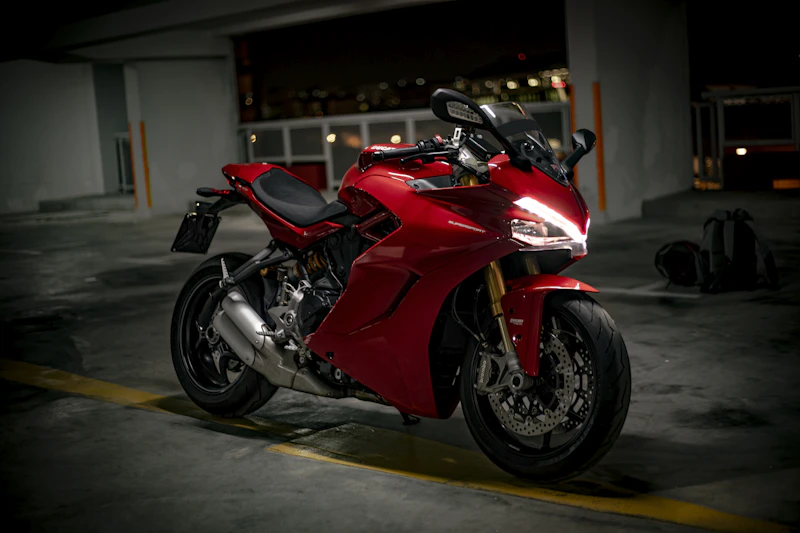
The Premium Street Fight: FZ15 vs Dominar 160
Now we enter the premium street category. This is where things get genuinely wild on the asphalt. Modern riders are tired of riding basic delivery workhorses. They want digital panels, thick tires, and respect at the stoplight. The battle here is a bloody duel between the Japanese Yamaha FZ15 and the Indian Bajaj Dominar 160.
Yamaha took the bulletproof but sleepy Factor engine and wrapped it in a muscular body. The FZ15 has a massive front fork, a fat rear tire, and an incredible full LED headlight. It looks like a much bigger bike. The problem is the price tag versus the actual performance. You are paying premium money for twelve horsepower. It handles beautifully in corners, but it will lose a drag race to a delivery guy on a rusty older 150. If you are craving real speed on the highway, you might want to consider saving up for a more aggressive 321cc naked upgrade entirely. But if your goal is just looking fantastic in the city, the FZ15 delivers.
Bajaj, on the other hand, is playing dirty in the best way possible. The Dominar 160 costs thousands less than the FZ15 and delivers a whopping seventeen horsepower. They give you an inverted front fork and a perimeter frame. It is a technological monster for the price. The engine runs hot and fast, completely dominating Japanese rivals in raw acceleration.
Official Specs
Bajaj Dominar 160 (2026)
Engine and Power
- Power Output 17.0 HP at 9,000 RPM Street Reality: You will smoke Japanese 150cc bikes at the stoplight and maintain highway speeds effortlessly without destroying the engine.
Chassis and Suspension
- Front Suspension Inverted Telescopic Fork Street Reality: The front end does not dive violently during hard braking, giving you sports bike stability in sharp corners.
But what happens when you drop the Bajaj? That is the nightmare. You get premium technology on day one, but if you break a plastic fairing, you might wait weeks for the part to arrive. Yamaha compensates for its lack of power with a massive dealership network that will fix your bike in hours.

The Dirt and Street Battle: NXR 160 Bros vs Crosser 150
Let us talk about the riders who have to deal with craters, speed bumps, and dirt roads every single day. The trail segment is a direct war between the Honda NXR 160 Bros and the Yamaha Crosser 150. Both got major updates for 2026, but they cater to very different spines and riding styles.
The Honda Bros 160 got beefier front forks this year. The tubes are now thirty three millimeters thick. Honda also added a USB port and options for either CBS or ABS brakes. The engine is the same reliable powerhouse from the CG, delivering fantastic torque. When you have a passenger on the back and you need to overtake a truck on a dirt road, the Bros just pulls hard. It averages over forty kilometers per liter if you ride with a soft wrist. The downside is the seat foam. It is slightly better than the older models, but after two hours in the saddle, your lower back will absolutely beg for mercy.
The Yamaha Crosser 150 is the exact opposite experience. It has the absolute most comfortable seat in the category. The suspension link on the rear wheel makes riding over potholes feel like floating on a cloud. Yamaha includes ABS and daytime running lights as standard equipment. The catch is that choked Promot 5 engine again. The Crosser is slow. It is incredibly comfortable, absolutely reliable, but undeniably slow on the highway.
Maintenance is the true divider here. Dropping a Honda means a quick trip to any corner mechanic. You can buy a replacement lever for the price of a hamburger. The Yamaha plastic fairings and headlights are more expensive, and a simple crash can cost you dearly. However, the Crosser rarely breaks down mechanically. Choosing between them is a matter of choosing between high resale value with strong torque, or extreme comfort with a sleepy engine.

Costs and Financials: The Santa Catarina Tax Oasis
Now we must talk about the financial reality of keeping these machines legal. This is where your exact geographical location changes the entire game. I have to highlight the incredible situation down in Santa Catarina. If you live or register your motorcycle in Santa Catarina, you are operating in a biker paradise regarding taxes and annual fees.
The IPVA tax rate for motorcycles in Santa Catarina is fixed at a ridiculously low one percent. If you buy a twenty thousand dollar bike, you pay exactly two hundred dollars a year. That is absolute pocket change compared to other regions that charge two or three percent. It completely changes the total cost of ownership. You can take the money you save on taxes and buy premium tires, better riding gear, or pay for a full tank of gas multiple times.
But the real magic in Santa Catarina happens with the local tax exemptions. For 2026, the state fully embraced a new rule. Any vehicle that is twenty years old or older is automatically exempt from the IPVA tax. If you have an old reliable workhorse from two decades ago, you pay nothing to the state. Furthermore, there is a golden rule for small displacement bikes. If your motorcycle is under 200cc and you did not receive a single traffic ticket in the previous calendar year, your IPVA is completely zeroed out. The state literally pays you to ride safely.
This financial framework makes buying a brand new 160cc bike incredibly attractive. You get a modern machine with ABS and fuel injection, and as long as you respect the speed limits and ride carefully, the government leaves your wallet alone. The 2026 market is brutal with dealership markups and expensive replacement parts, but if you choose the right bike and take advantage of local tax breaks, you can still dominate the urban jungle without going broke. Keep your chain lubricated, ride smart, and enjoy the asphalt.
Tags:MotoGPMotorcycle market 2026Honda CG 160Yamaha Factor 150Bajaj Dominar 160motorcycle pricesentry level motorcyclesPromot 5motorcycle taxes
Recommended Posts

Comentários (0)
Participe da discussão
Faça login ou cadastre-se rapidamente para enviar seu comentário. É simples e leva menos de 1 minuto!
Nenhum comentário por enquanto. Seja o primeiro a opinar!