 MotoGP
Back to Home
MotoGP 5 min read time 0 viewsJul 26, 2026
2026 Yamaha MT Series: The Raw Truth About Torque, Tech, and Real Costs
We break down the 2026 Yamaha MT Series from a real rider's perspective. From Crossplane torque to actual maintenance costs, here is the unfiltered truth.
The 2026 Yamaha MT Reality Check
If you want the raw and unfiltered truth about the 2026 Yamaha MT series let me lay it out for you right here. In 2026 these motorcycles remain the absolute gold standard for street riders who care more about punching out of corners than bragging about top speed on the internet. The MT-03 offers a premium high revving twin cylinder entry point into the family. The MT-07 continues to rule the middleweight class as an urban hooligan machine powered by that legendary CP2 engine. And the almighty MT-09 arrives with a staggering 119 horsepower bringing raw three cylinder chaos managed by advanced electronics. That is the short answer to what this lineup brings to the table this year. Now let us grab a wrench and dig into the real metal.
I have been around motorcycles long enough to remember when a naked bike was just a crashed supersport with the plastic fairings removed and some dirtbike handlebars bolted on. Manufacturers used to give us detuned inline four engines that felt completely dead at city speeds. Yamaha realized this was garbage. They knew real riders need thrust at four thousand rpm when the traffic light turns green. This entire philosophy started all the way back in 1999 with a prototype they called the Mega Torque concept. They took a massive cruiser V twin engine and stuffed it into a naked sport chassis just to see what would happen.
That crazy experiment hit the streets in 2005 as the MT-01. It was a massive heavy machine that shook your fillings loose but it proved a point. Peak horsepower is for the track but raw torque is for the streets. Fast forward to 2014 and Yamaha dropped a bomb on the industry with the Dark Side of Japan campaign. They introduced the original MT-09 and MT-07. They focused entirely on combustion torque and deliberately eliminated the annoying inertial torque that makes standard engines feel disconnected. By doing this they created a direct mechanical link between your throttle hand and the rear tire. The 2026 lineup is the ultimate evolution of that brilliant concept. If you really want to understand the exact market impact of this evolution you should definitely read our comprehensive 2026 Yamaha MT series analysis to get the full picture.
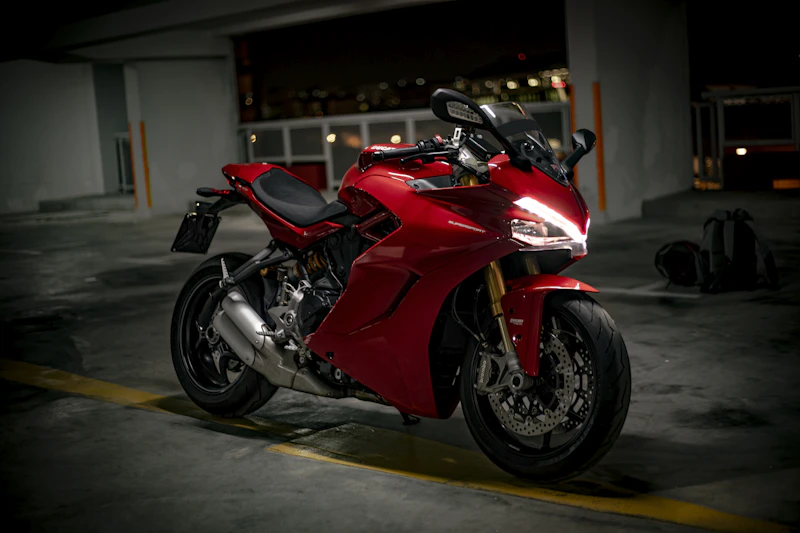
Crossplane Tech: More Than Just Marketing
When Yamaha talks about their Master of Torque engineering it is not just marketing fluff designed to sell t-shirts. It is serious mechanical science. Let us break down their Crossplane technology in a way that actually makes sense. When a traditional engine spins up the heavy pistons and rods create internal mass resistance. This is called inertial torque. It acts like static noise on a radio and interferes with the pure power delivery. Yamaha engineers intentionally spaced out the crankpins to cancel out this internal mechanical noise. The result is pure and clean combustion force hitting the asphalt.
The CP2 engine powering the MT-07 is a perfect example. It uses a 270 degree crankshaft layout. The pistons do not rise and fall together. This uneven firing order gives the bike a glorious throaty exhaust note and allows the rear tire a split second to regain traction between power pulses. It practically begs you to ride aggressively. Then you have the CP3 engine inside the MT-09. This is a 120 degree inline three cylinder masterpiece. Yamaha even offset the cylinders by five millimeters to reduce friction against the cylinder walls. They tuned the intake funnels to different lengths so the engine literally howls when you pin the throttle wide open.
Now I want to show you what this looks like on paper versus how it feels on the street. I have put together a real world spec breakdown for the flagship 2026 MT-09. Forget the factory manual jargon. Here is what these numbers actually mean when you are holding onto the bars.
Official Specs
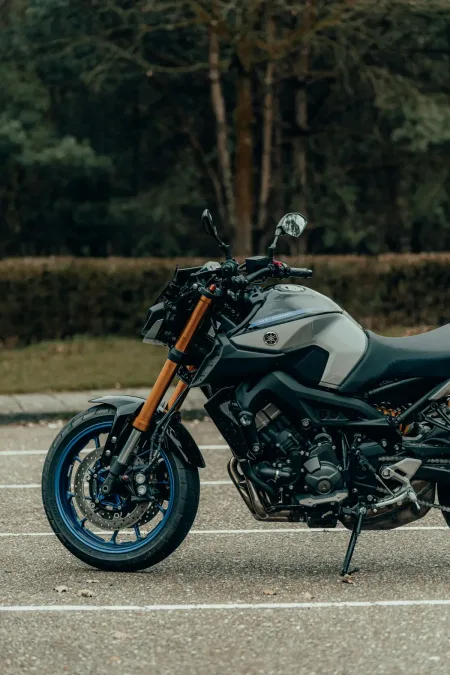
2026 Yamaha MT-09
Engine & Performance
- Displacement 890 cc CP3 (Inline-Three) Street Reality: This triple engine screams past traffic and delivers instant punch at any gear you choose.
- Maximum Power 119 hp @ 10,000 rpm Street Reality: More than enough muscle to lift the front wheel and leave highway speed limits in the dust.
- Maximum Torque 93 Nm @ 7,000 rpm Street Reality: You do not need to rev it out to feel fast because the power hits exactly when you want it.
Chassis & Tech
- Suspension 41mm KYB Inverted Forks Street Reality: Gives you razor sharp feedback and stability when diving hard into tight corners.
- Electronics 6-axis IMU with Cornering ABS Street Reality: A digital guardian angel that saves your skin if you get too greedy on wet asphalt.
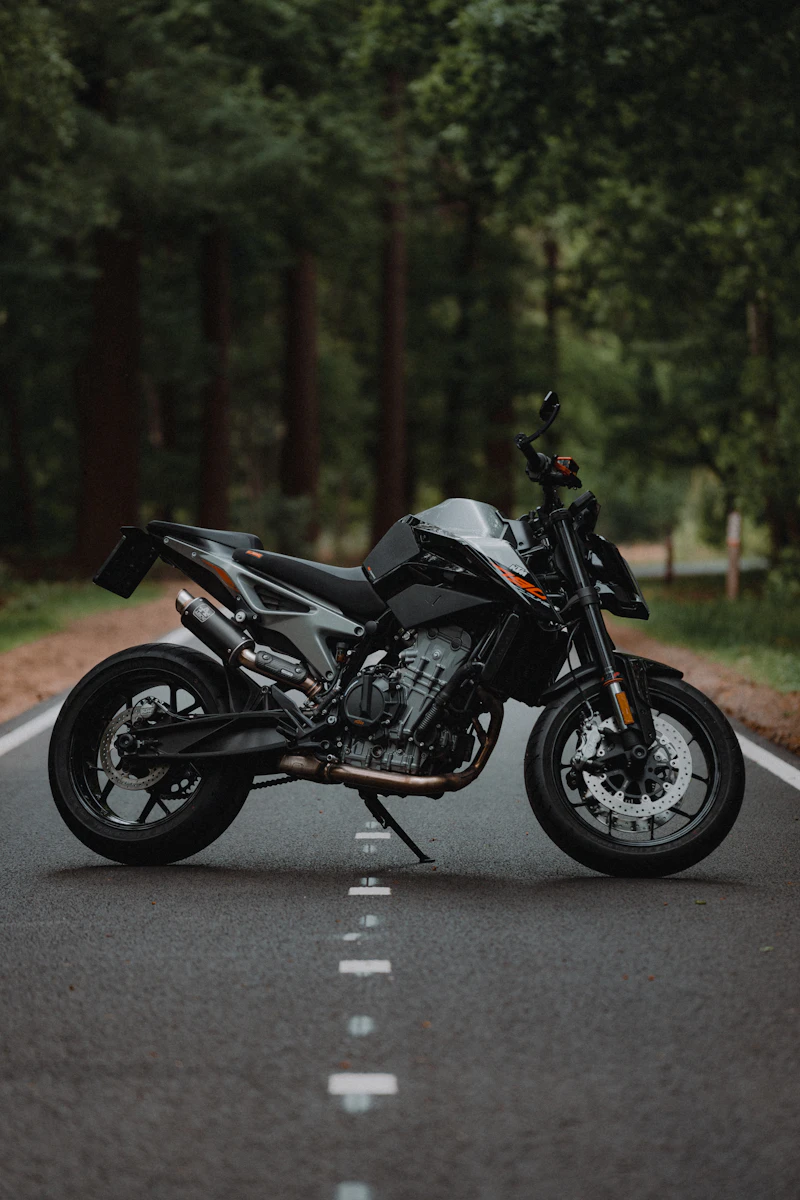
Streetfighter Showdown: 300cc to 650cc
Let us take a hard look at the current market and see how the MT series stacks up against the competition in 2026. The entry level 300cc to 400cc naked segment is a brutal battlefield. You basically have three distinct choices depending on your wallet and your riding style. If you are extremely tight on cash the Honda CB300F Twister is the strictly rational choice. It is a simple air cooled single cylinder commuter that sips fuel and gets you to work reliably. But it only makes about 24 horsepower. On the complete opposite end you have the Kawasaki Z400. That machine is built purely for top end speed in this category and pushes out 45 horsepower with a very lightweight frame.
Then you have the Yamaha MT-03 sitting right in the middle as the premium option. It gives you 41 horsepower from a high revving twin cylinder engine. But what really sets it apart is the high end hardware. You get thick inverted front forks and a very smooth slipper clutch. It is the perfect bridge for newer riders who want big bike handling and features without jumping into a heavy machine.
Moving up into the 650cc middleweight streetfighter class we see a very similar battle. The Yamaha MT-07 remains my absolute favorite for tearing through city traffic. Its CP2 engine delivers a massive punch right off idle. The Kawasaki Z650 is its closest rival but its traditional engine feels a lot more linear and predictable. It lacks that raw hooligan edge. Finally there is the Honda CB650R. Honda built a beautiful four cylinder machine but it is heavy and you have to rev it to the moon to access its real power. For everyday street riding the instant grunt of the MT-07 simply cannot be beaten.

The Harsh Reality of Riding Costs
Now it is time to have a serious talk about the reality of keeping these beasts running. This is usually where high speed dreams crash hard into empty bank accounts. Dealership maintenance is not cheap and you need to know exactly what you are getting into. Yamaha does offer a fixed price maintenance program for bikes up to 689cc which covers the MT-03 and MT-07. The first two services are relatively painless because the factory covers the labor costs. But once you hit the ten thousand kilometer mark you are paying for both parts and labor. The bill can easily climb over one thousand reais in a single visit.
Beyond dealership visits the daily operational costs are steep. The MT-03 drinks fuel like a much larger displacement motorcycle. If you ride it aggressively in urban traffic you will be lucky to see twenty kilometers per liter. Furthermore the massive torque delivery on these bikes will shred through rear tires and drive chains incredibly fast compared to standard commuter bikes.
To ground all these financial numbers in reality we need a firm baseline. I am going to use Santa Catarina as our benchmark because it gives us a clear look at taxation and regional expenses. For the 2026 fiscal year the IPVA motor vehicle tax rate for motorcycles in Santa Catarina is set at a highly favorable one percent of the vehicle value. This is a massive blessing compared to other regions. For a new MT-09 that means your tax bill is roughly 650 reais. For an MT-03 it sits around 340 reais. But even with the cheap IPVA in Santa Catarina the overall ownership cost is heavy. You need a solid income to handle the insurance premiums which can run close to one thousand reais annually. Financing one of these bikes on a minimum wage is financial suicide. But if you have your budget right the Master of Torque experience is worth every single drop of fuel.
Tags:MotoGPyamaha mt seriesyamaha mt-03 2026yamaha mt-07 2026yamaha mt-09 2026crossplane enginecp2 enginecp3 enginenaked motorcyclesstreetfighter
Recommended Posts
Comentários (0)
Participe da discussão
Faça login ou cadastre-se rapidamente para enviar seu comentário. É simples e leva menos de 1 minuto!
Nenhum comentário por enquanto. Seja o primeiro a opinar!