 MotoGP
Back to Home
MotoGP 5 min read time 0 viewsJul 26, 2026
Kawasaki Z400 vs Yamaha MT-03 (2026): The Brutal Street Naked Reality
We dive deep into the 2026 middleweight naked motorcycle market. Discover the truth about the Kawasaki Z400, Yamaha MT-03, KTM 390 Duke, and real world costs.
The Middleweight Naked War of 2026
We need to have a real talk about what is happening in the naked motorcycle scene right now. If you are climbing out of the 150cc class and want to know exactly where to put your hard earned money in 2026, the answer is straightforward. The Kawasaki Z400 stands as the undisputed king of balanced performance for your daily commute. This bike gives you a 399cc engine producing around 45 horsepower and 3.9 kgfm of torque. It is not just about numbers on a piece of paper. It is about how that power pulls you out of a dangerous traffic situation without breaking a sweat.
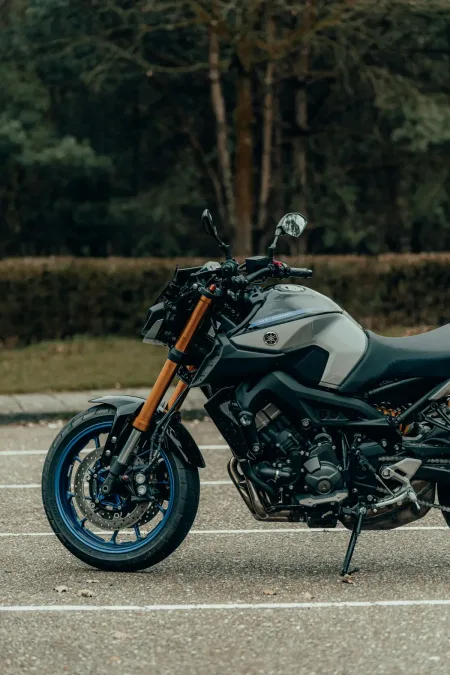
I have spent years riding all kinds of machines and I can tell you that the rivalry between the Z400 and its main competitor is fierce. When we look at the Yamaha MT-03 performance and real world capabilities, we see a totally different approach. Yamaha chose a 321cc engine that begs you to wring its neck. You have to keep the revs incredibly high to feel the magic of its 41.3 horsepower. The MT-03 is loud, flashy, and comes with a sweet inverted front suspension and Bluetooth tech on the dashboard. But when you are stuck in rush hour traffic and just want to overtake a slow truck, the Kawasaki Z400 delivers a smooth and thick wave of torque that the Yamaha simply cannot match.
Kawasaki nailed the ergonomics. The seat sits at a comfortable 785 mm height. You feel inside the bike rather than perched on top of it. The steel trellis frame keeps the weight down to a very manageable 167 kg fully fueled. That makes throwing it into tight corners feel incredibly natural. Sure, the conventional front forks on the Kawasaki look a bit dated compared to the golden inverted forks of the Yamaha, but in the real world of potholes and uneven asphalt, the Z400 absorbs the beating beautifully.
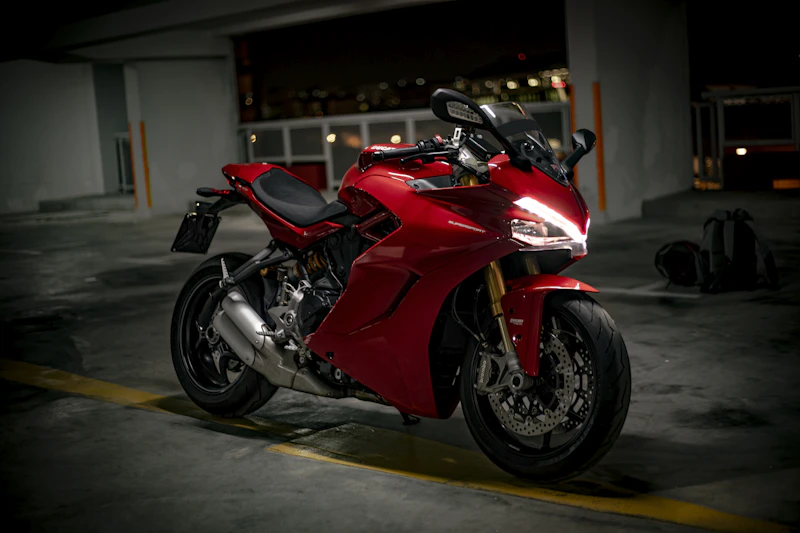
Kawasaki Z400 Engine and Chassis Specs: The Naked Truth
Factory manuals love to throw shiny words and confusing acronyms at you to justify the sticker price. I hate corporate fluff. I want to know exactly what happens when I drop the clutch at a green light. The Kawasaki Z400 packs a liquid cooled parallel twin that is designed for low and midrange punch. This is exactly what you need for city riding.
Below is the technical breakdown translated into our garage language. Let us see what the Japanese engineers promise versus what you actually get on the asphalt.
Official Specs
Kawasaki Z400 2026
Engine & Performance
- Displacement 399 cc Street Translation: It has enough displacement to cruise on the highway without vibrating your hands to sleep.
- Maximum Power 45 HP at 10,000 RPM Street Translation: You will outrun 90 percent of the traffic effortlessly when the light turns green.
- Maximum Torque 3.9 kgf.m at 8,000 RPM Street Translation: You do not need to constantly drop gears to overtake slow cars. The bike just pulls.
- Transmission 6 speeds with assist and slipper clutch Street Translation: A super light clutch lever that saves your left hand in traffic and prevents rear wheel lockups during aggressive downshifts.
Chassis & Dimensions
- Curb Weight 167 kg Street Translation: Incredibly light. It feels like a bicycle when you are filtering through stopped cars.
- Front Suspension 41 mm telescopic fork Street Translation: Basic but very reliable. It eats up street bumps without transferring the shock to your wrists.
- Fuel Tank Capacity 14 Liters Street Translation: With an average consumption of 25 km per liter, you get a decent range before desperately looking for a gas station.
This setup proves that Kawasaki is not playing games. The power delivery is predictable and completely under your command. The slipper clutch is a massive lifesaver on wet days.
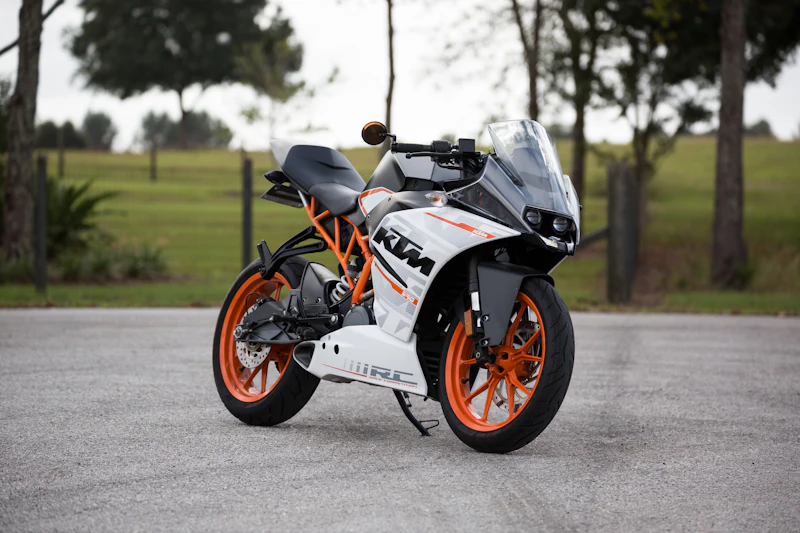
KTM 390 Duke Brakes and The European Threat
We cannot talk about the 400cc class in 2026 without addressing the massive elephant in the room. The internet is going crazy over the new KTM 390 Duke, and for a very good reason. The Austrian manufacturer decided to stop playing nice and dropped a literal track weapon onto the streets. While Kawasaki and Yamaha focus on comfort and high revving tech, KTM brought raw aggression.
The biggest news for the 2026 edition is the brand new braking system. For years, KTM used generic or subsidiary parts for their brakes. Now they have equipped the Duke with absolute top tier hardware from their own WP suspension division. We are talking about the WP FCR4 system featuring a massive 320 mm floating front disc and a four piston radial caliper. This is the kind of braking power you usually only find on heavy liter bikes.
Why does this matter to you on your morning commute? Because stopping power is life. When a car suddenly pulls out in front of you, having a brake setup designed for extreme track abuse means you can halt the bike instantly without losing stability. Combined with the Bosch cornering ABS, the KTM 390 Duke gives you insane confidence. Add in the fact that the bike weighs only 165 kg and pumps out 45 horsepower from its angry single cylinder engine, and you have a recipe for pure adrenaline.
The KTM is the bike for the rider who wants a supermoto feel. It vibrates more, it is loud, and it demands your full attention. It is not as smooth as the Kawasaki Z400, but it delivers a raw riding experience that the Japanese bikes simply do not offer. If you prioritize extreme agility and track ready brakes, the 390 Duke is the most exciting machine of 2026.
Costs and Financials: Keeping Your Motorcycle Running
Buying the bike is only the first step. If you want to survive the true biker life, you need to calculate the actual cost of ownership. Let us use the state of Santa Catarina as our ultimate real world baseline to figure out the math. Santa Catarina has an excellent used motorcycle market and some of the best taxation rules in the country, making it a perfect case study for our wallets.
A brand new 2026 Kawasaki Z400 will cost you around 32,000 to 36,000 Reais. However, the used market in Santa Catarina is fantastic. You can easily find a pristine 2021 model for around 27,990 Reais in cities like Itajai, or a slightly newer 2024 model in Lages for about 32,500 Reais. The depreciation is very low. You will not lose half your money the moment you roll out of the dealership.
The biggest victory in Santa Catarina is the annual IPVA tax. While other places bleed you dry with high percentages, Santa Catarina charges a beautiful 1 percent rate for motorcycles. If you buy a used Z400 valued at 28,000 Reais, your IPVA will be roughly 280 Reais. Pay it upfront and you get a 5 percent discount. This leaves you with a lot more money for gas and trips.
But do not get too relaxed. Insurance and maintenance will still bite you. A decent insurance policy for a 35 year old rider in Santa Catarina averages around 2,139 Reais per year if you want full coverage against theft and crashes. When it comes to the mechanic, Kawasaki parts are premium. An original oil filter costs around 110 Reais, and a set of original brake pads will drain 780 Reais from your pocket. Many smart riders swap to EBC sintered brake pads to save money without losing safety. A good chain and sprocket kit will cost you about 500 Reais. The Z400 is highly reliable and will not break down, but when the time comes for regular maintenance, you must be ready to open your wallet.
Tags:MotoGPKawasaki Z400 2026Yamaha MT-03KTM 390 Duke brakes400cc naked motorcyclesmotorcycle maintenance costs
Recommended Posts
Comentários (0)
Participe da discussão
Faça login ou cadastre-se rapidamente para enviar seu comentário. É simples e leva menos de 1 minuto!
Nenhum comentário por enquanto. Seja o primeiro a opinar!