 MotoGP
Back to Home
MotoGP 5 min read time 0 viewsJul 26, 2026
Kawasaki Z400 vs Yamaha MT-03 vs KTM 390 Duke (2026): The Brutal Truth
An unfiltered, deep dive into the 2026 mid-weight naked motorcycle market. We compare the Kawasaki Z400, Yamaha MT-03, and the highly disruptive KTM 390 Duke.
I always tell riders that stepping up to the 400cc class is the ultimate reality check. You finally leave the slow lanes behind and enter a world where motorcycles actually pull hard when you twist the throttle. If you are wondering what the absolute best mid capacity naked motorcycle to buy in 2026 is, I will give you the straight answer right now. The Kawasaki Z400 remains the undisputed champion for daily riding thanks to its perfect balance of a 45 horsepower engine and a thick 3.9 kgf.m torque curve. However, the Yamaha MT-03 steals the crown if you prioritize aggressive visual design and modern connected technology. Meanwhile, the highly anticipated KTM 390 Duke has completely disrupted the segment by bringing pure track ready components to the streets. We are going to strip these three machines down to the bolts and talk about what really matters on the asphalt.
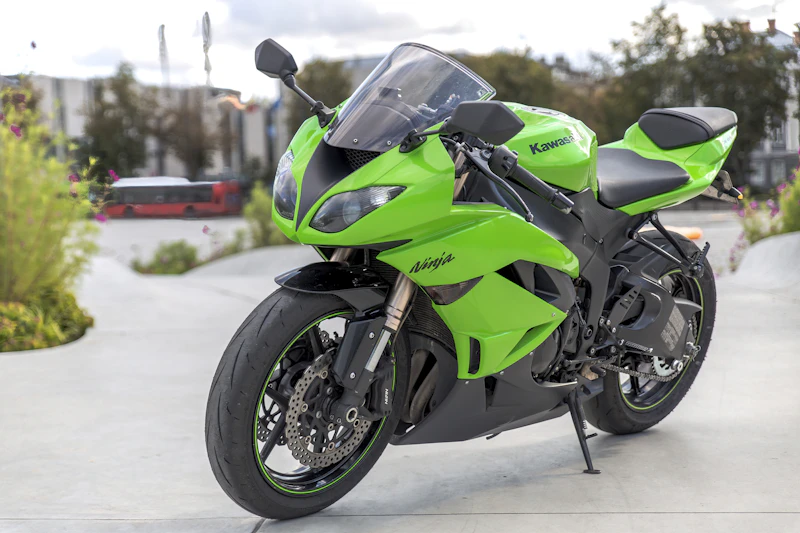
The mid weight naked segment has evolved aggressively. Ten years ago we were happy with basic commuter bikes. Today the 2026 market demands extreme performance wrapped in a lightweight chassis. The Kawasaki Z400 carries the heavy legacy of the old Z300 but fixes every single complaint we had about low end power. The engineers utilized the Sugomi design philosophy to build a machine that looks as aggressive as it rides. When you drop the clutch on the Z400 you immediately feel the advantage of its 399cc displacement. You do not need to scream the engine near the redline to make a simple highway pass. The torque is simply there waiting for you.
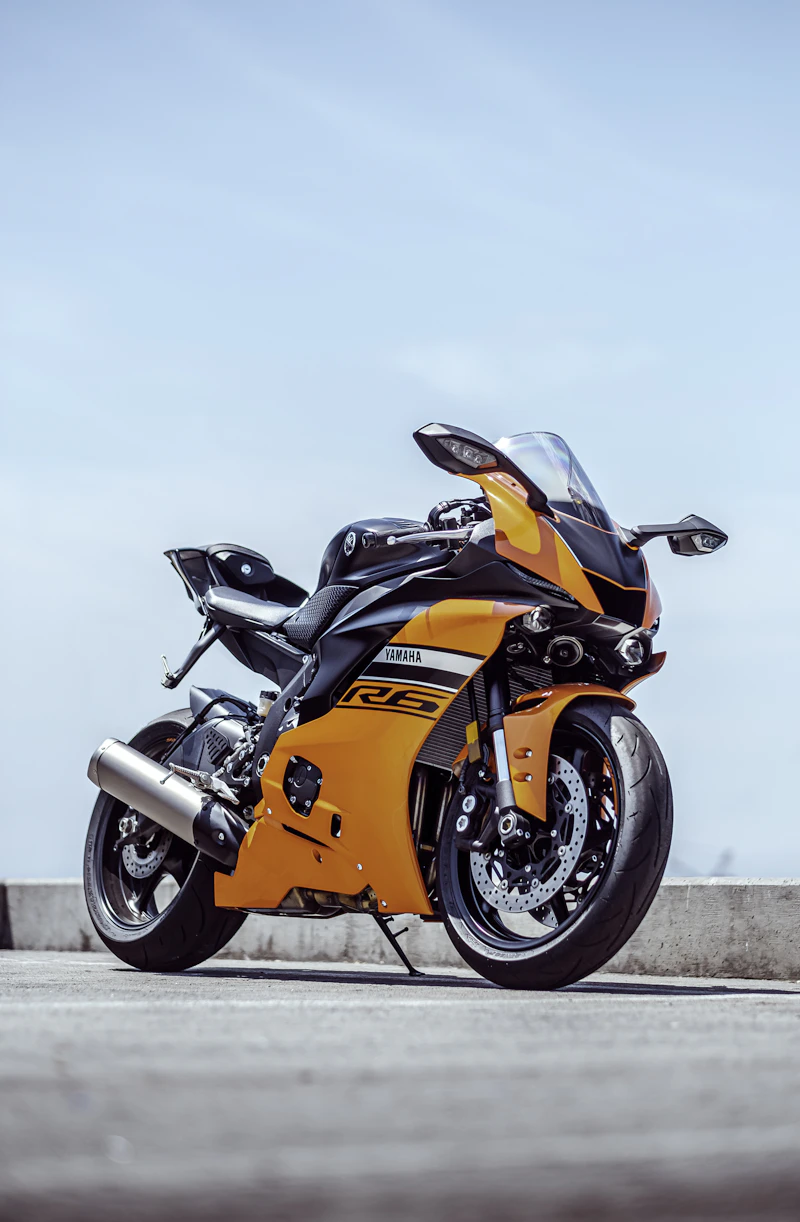
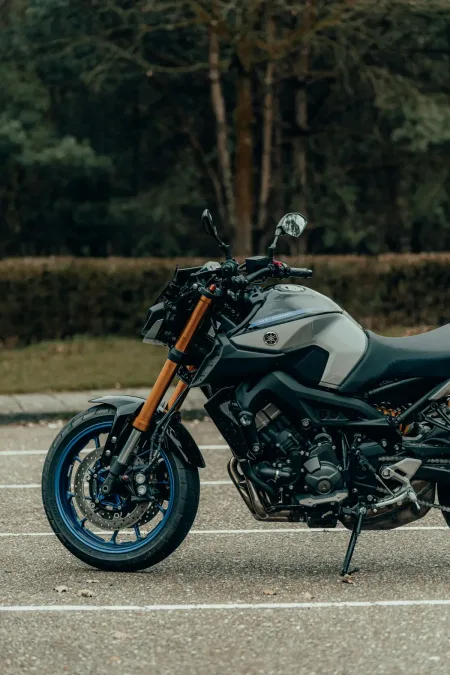
On the other side of the ring we have the tuning fork brand. The Yamaha MT-03 approaches the street fight differently. It relies on a smaller 321cc high revving engine that begs to be pushed hard. If you are seriously considering the Yamaha and want to know all the hidden details you should definitely read my Yamaha MT-03 2026 review covering specs and real world prices before you spend your hard earned money. The Yamaha looks like an alien spaceship with its full LED projector headlight and offers native Bluetooth connectivity through the Y-Connect system. But while the Yamaha is busy connecting to your smartphone the Kawasaki is busy delivering raw mechanical grip and predictable linear acceleration.

Engine Performance and Chassis of the Kawasaki Z400: What Does It Feel Like on the Road?
Let us talk about the heart of the beast. The Kawasaki Z400 uses a parallel twin liquid cooled engine with a downdraft intake system. This specific intake path forces air directly into the combustion chamber with zero restrictions. The result is a highly responsive throttle that gives you exactly what you ask for. Pumping out roughly 45 horsepower at 10,000 RPM this motorcycle feels incredibly lively. But power is nothing without control. The Japanese engineers bolted this engine into a high tensile steel trellis frame. This frame structure uses the engine as a stressed member. This brilliant engineering trick keeps the wet weight down to a fantastic 167 kilograms.
When you navigate through dense city traffic that low weight combined with a manageable 785 millimeter seat height makes the bike feel like a heavy bicycle. You can flick it between cars with absolute precision. The suspension features traditional 41 millimeter front forks. While the Yamaha MT-03 boasts inverted forks the traditional setup on the Z400 actually handles broken pavement much better. It absorbs the harsh impacts of urban riding while still remaining firm enough for weekend canyon carving.
Official Specs
Kawasaki Z400 (2026)
Engine & Performance
- Displacement 399 cc Street Translation: It has enough lung capacity to cruise on the highway at 120 km/h without feeling like the engine will explode.
- Max Power 45 hp at 10,000 rpm Street Translation: Plenty of pure muscle to gap traffic at stoplights easily and safely.
- Max Torque 3.9 kgf.m at 8,000 rpm Street Translation: You do not need to constantly shift gears in slow traffic because the bike pulls strong from low RPMs.
Transmission & Chassis
- Clutch Assist and Slipper Street Translation: The clutch lever is butter smooth and the rear wheel will not lock up if you downshift aggressively before a sharp corner.
- Kerb Weight 167 kg Street Translation: Very light and flickable for navigating through tight urban spaces without wrestling the handlebars.
One of my favorite mechanical components on this motorcycle is the assist and slipper clutch. If you have never ridden a bike with this technology you are in for a treat. The assist function makes the clutch lever incredibly light. You can pull it with a single finger which is a massive relief during heavy stop and go traffic. The slipper function is a pure safety net. If you enter a corner too hot and stomp down two gears aggressively the rear wheel will not lock up and slide. The clutch simply absorbs the back torque and keeps the chassis completely stable.
The KTM 390 Duke Phenomenon: Track Technology on the Streets
While Kawasaki and Yamaha are fighting over the sensible urban riders the Austrians have chosen violence. The surge in search interest for the 2026 KTM 390 Duke is completely justified. KTM decided to stop playing by the traditional rules and built a motorcycle that behaves like a legitimate race bike with license plates. The biggest news for the 2026 model year is the complete overhaul of the braking system. For years the Duke relied on third party brake calipers. Now KTM has equipped the 390 Duke with their own in house WP FCR4 braking system.
We are looking at a monstrous 320 millimeter floating front disc clamped by a four piston radial mount caliper. A radial mount caliper means the mounting bolts run parallel to the brake disc. This completely eliminates caliper flex when you squeeze the lever hard. The initial bite is absolutely brutal and engineered to withstand repeated hard braking on track days without suffering from thermal fade. When you pair that massive stopping power with a frantic 398cc single cylinder engine pushing 45 horsepower you get a ridiculously fun machine.
The KTM 390 Duke weighs an absurdly low 165 kilograms fully fueled. The power to weight ratio is borderline unhinged for a street bike. Furthermore the Bosch cornering ABS includes a Supermoto mode that allows you to completely turn off the rear ABS. This means you can slide the rear tire into corners like a true hooligan. It vibrates more than the Japanese parallel twins and it demands total rider focus but the adrenaline rush is unmatched in this category. It is an absolute weapon for anyone looking to push their limits on the weekend.
Real World Maintenance and Costs: Is the Z400 Expensive to Keep?
Let us get down to the hard math. I hate reading motorcycle reviews that ignore the real financial burden of ownership. Dreams do not pay the mechanics. To establish a universally realistic financial baseline I always use the state of Santa Catarina for our cost calculations due to its highly liquid motorcycle market and transparent tax structure. If you walk into a premium used dealership in Santa Catarina right now you will find a well maintained 2021 Kawasaki Z400 for approximately R$ 27,990. If you want something practically brand new a 2024 model with low mileage in the mountainous region of Lages will run you about R$ 32,500. A zero kilometer 2026 model will hit the R$ 36,000 mark including dealer fees. Depreciation on these bikes is incredibly slow which protects your investment over time.
When we look at the tax burden Santa Catarina is an absolute paradise for riders. The state government charges a highly favorable IPVA rate of just 1% based on the FIPE table value. If you pay the tax in a single upfront quota you are rewarded with a 5% discount. This means the annual IPVA tax for a 2021 Z400 in Santa Catarina will only cost you an incredibly cheap R$ 266. This is a massive financial relief compared to other regions where taxes can easily ruin your budget.
However you must prepare your wallet for insurance and maintenance. The Kawasaki Z400 is classified as a premium street fighter which attracts attention from thieves in major urban centers. A basic insurance policy covering theft and third party damages averages around R$ 1,468 nationally. If you opt for comprehensive coverage that protects against collisions you can expect quotes pushing past R$ 4,000 depending on your age and parking situation. Maintenance costs reflect the premium Japanese badge. An original Kawasaki oil filter costs roughly R$ 110 and a set of genuine brake pads will drain R$ 780 from your bank account. My practical garage advice is to seek high quality aftermarket alternatives. Installing EBC sintered brake pads and a washable K&N air filter will save you a massive amount of money over the years without sacrificing a single drop of performance.
In the end the 2026 mid capacity segment gives you incredible choices. Buy the Kawasaki Z400 for its bulletproof reliability and smooth torque delivery. Choose the Yamaha MT-03 if you crave aggressive styling and high RPM thrills. Or grab the KTM 390 Duke if you want to turn every daily commute into a qualifying lap. Ride fast, ride safe, and keep the rubber firmly planted on the asphalt.
Tags:MotoGPKawasaki Z400Yamaha MT-03KTM 390 Duke2026 motorcyclesnaked bikesmotorcycle reviewIPVAmotorcycle maintenance
Recommended Posts
Comentários (0)
Participe da discussão
Faça login ou cadastre-se rapidamente para enviar seu comentário. É simples e leva menos de 1 minuto!
Nenhum comentário por enquanto. Seja o primeiro a opinar!