 MotoGP
Back to Home
MotoGP 5 min read time 0 viewsJul 26, 2026
Kawasaki Ninja 300 in 2026: Is the 296cc Sportbike Still Worth It?
An honest review of the Kawasaki Ninja 300 in 2026, exploring its high-revving engine, real world costs, and why the used market is the only logical choice.
Kawasaki Ninja 300 in 2026: Is the 296cc Sportbike Still Worth Your Hard Earned Cash?
Let us cut right to the chase because you are probably staring at a dealership price tag or a used market ad and wondering if the Kawasaki Ninja 300 makes sense in 2026. The short answer is a loud and clear yes, but only if you buy it used. Walking into a showroom today to drop over thirty thousand Reais on a brand new Ninja 300 is a tough pill to swallow when you consider the modern tech flooding the market. However, grabbing a well maintained model from a few years back is still one of the smartest entry points into the sportbike world.
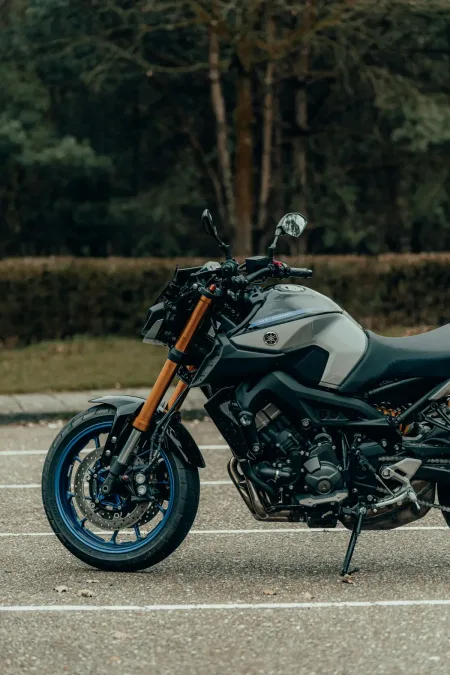
I remember when this bike first hit the streets back in late 2012. We were all used to the beloved Ninja 250R. The jump to 296cc was not just a clever marketing trick. It was a serious engineering upgrade that gave us 39 horsepower and completely shifted the balance of power in the entry level sportbike category. The Japanese manufacturer essentially took a look at the Honda CBR 250R and decided to crush it with a high revving parallel twin. If you are comparing your options, our deep dive into the 2026 Yamaha MT-03 review and specs shows exactly how a modern naked bike competes with this fully faired classic.
Over a decade later, the core formula remains identical. You get an aggressive fairing that looks like it belongs on a much larger track machine, a heavy dose of nostalgia, and an engine that begs you to wring its neck on the highway. While competitors have moved on to inverted forks and full digital displays, the raw mechanical joy of the little Ninja still holds up beautifully if you know what you are looking for.

Performance and Mechanics of the Ninja 300: High Revs and the Magic Slipper Clutch
Riding this machine requires a specific mindset. The 296cc parallel twin engine produces 39 horsepower at a screaming 11,000 RPM. This means you have to keep the engine spinning fast to access the real power. It does not have the low end grunt of some modern single cylinder bikes, but once the needle sweeps past 8,000 RPM, it wakes up and delivers a thrilling rush that puts a massive grin on my face every single time.
The true game changer for this bike was the introduction of the assist and slipper clutch. Before this model came along, you would only find that kind of technology on heavyweight superbikes. In the real world, this translates to an incredibly light clutch lever that saves your left hand during heavy city traffic. More importantly, it stops the rear wheel from hopping and skidding when you aggressively downshift before a tight corner. For a beginner rider, this feature alone is a massive safety net.
The braking system is another strong point, especially if you find a model equipped with the optional ABS. The petal style discs dissipate heat wonderfully during spirited canyon rides. It is an extremely forgiving setup that teaches you how to brake properly without punishing your mistakes.
Official Specs
Kawasaki Ninja 300
Engine & Performance
- Engine Type 296cc Parallel Twin, Liquid Cooled Street Translation: A smooth engine that needs high revs to feel fast.
- Max Power 39 HP @ 11,000 RPM Street Translation: Enough juice to comfortably cruise on the highway and overtake cars safely.
- Transmission 6-speed with Slipper Clutch Street Translation: Your left hand will never get tired in city traffic, and downshifting is buttery smooth.

Real World Maintenance: The 2026 Financial Reality in Santa Catarina
Let us talk about the money required to keep this bike on the road in 2026. Owning a premium entry level sportbike is not as cheap as running a basic commuter motorcycle. Original parts from the dealership can carry premium price tags, but there is a massive aftermarket that can save your wallet. To give you a brutally honest financial perspective, I like to use the state of Santa Catarina as a baseline for real world maintenance and tax costs.
In Santa Catarina, the financial burden of owning a motorcycle is exceptionally reasonable right now. The state government maintains a very low IPVA vehicle tax rate of just one percent over the market value. For a used Ninja 300 valued around 20,000 Reais, your annual tax bill in Santa Catarina is roughly 200 Reais. This low tax environment frees up your budget for the things that actually matter, like high quality synthetic oil and good brake pads.
When it comes to parts, buying directly from an official dealer in cities like Florianopolis or Sao Jose can be shocking. A genuine chain and sprocket kit might cost you over 2,000 Reais. As a smart rider, you simply bypass the dealership counter. You can easily order top tier aftermarket kits from brands like DID or VAZ for under 450 Reais. The same logic applies to oil filters and brake pads. Brands like Hiflo and EBC provide equal or better performance than original equipment for a fraction of the price. The secret to enjoying this motorcycle without going broke is finding a trusted independent mechanic and sourcing quality parallel parts.

Used Market Battles: KRT Editions versus the Modern Rivals
If you start hunting in the classifieds, you will quickly notice the different visual packages. The Special Edition (SE) and the Kawasaki Racing Team (KRT) versions dominate the premium listings. Mechanically, they are exactly the same as the base model. The KRT editions feature aggressive green and black paint jobs that mimic the world superbike racing machines, and they usually come with ABS as a standard feature. They look incredibly fast standing still, but do not expect them to perform differently on the asphalt.
The real dilemma in 2026 is comparing a used Ninja 300 to modern giants like the Yamaha R3 or the newer Ninja 400. The R3 gives you inverted forks and a modern digital dash. The Ninja 400 offers significantly more power and a lighter chassis. These modern bikes are undeniably superior in terms of pure performance and technology. However, they also carry much steeper price tags.
This is why my final verdict always leans toward the used market. A well maintained Ninja 300 from 2015 or 2018 is a fantastic bargain. It serves perfectly as your first fully faired sportbike, giving you the looks, the thrilling high revving engine, and the safety of a slipper clutch. Just stay away from the zero kilometer models sitting at the dealership today. Let someone else pay that massive depreciation fee, grab a used gem, fill up the 17 liter tank, and go enjoy the twisty roads on the weekend.
Tags:MotoGPKawasaki Ninja 300Ninja 300 review 2026Ninja 300 top speed296cc sportbikemotorcycle maintenanceNinja 300 vs Yamaha R3
Recommended Posts
Comentários (0)
Participe da discussão
Faça login ou cadastre-se rapidamente para enviar seu comentário. É simples e leva menos de 1 minuto!
Nenhum comentário por enquanto. Seja o primeiro a opinar!