 MotoGP
Back to Home
MotoGP 5 min read time 0 viewsJul 26, 2026
The Brutal Reality of Emissions Laws and Motorcycle Legends in 2026
An honest, mechanic-perspective analysis of how emissions laws actually affected legendary motorcycles like the XT 660R and RD 350, plus 2026 market values.
The Truth About Emissions Laws and Motorcycle Legends in 2026
I hear the same complaint every single day in the garage: emissions laws completely ruined classic motorcycles. Well, let me give you the direct answer right here at the top. The truth is that emissions regulations did not kill the legendary Yamaha RD 350, and they certainly did not strangle the power of the iconic Yamaha XT 660R. We are in 2026, and when I look at the raw data and my own experience in the shop, the real assassins of the two-stroke era were open import markets and economic shifts, not just tailpipe sensors.
Let us start by clearing up a massive historical misconception. I still see people searching online for the Honda RD 350. It is a Yamaha, and it was the undisputed queen of the streets. The Honda CBX 750F was its rival, but the RD 350 earned the dark nickname of the Black Widow. The Brazilian version of this bike was legendary but technically restricted. While the European models pushed nearly 63 horsepower, the Brazilian RD 350 was choked down to 55 horsepower. This was not because of some green legislation. It was because the gasoline available in the country back then was absolute garbage. The engine had to be detuned to prevent premature detonation and engine knock.
The death of the RD 350 in 1993 had nothing to do with the PROMOT emissions laws, which did not even exist until the 2000s. The Brazilian government opened the ports to imports in the early 1990s. Suddenly, riders could buy modern, four-cylinder, four-stroke sportbikes like the Honda CBR 600 or the Kawasaki Ninja. The two-stroke engines required meticulous preventive maintenance that most riders simply ignored. The market naturally moved toward the reliability and the screaming sound of four-stroke inline-fours, leaving the RD 350 in the history books.
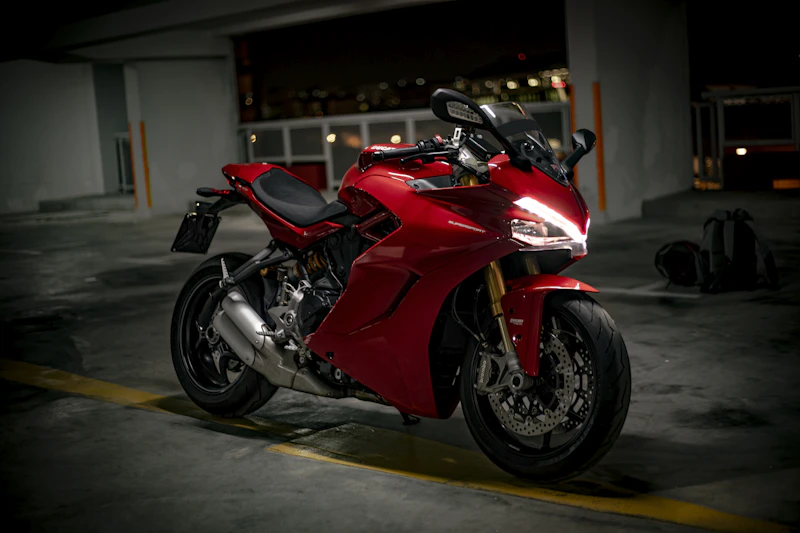
The Yamaha XT 660R: Defeating PROMOT 3 Without Losing Power
Now let us talk about a true survivor. The Yamaha XT 660R is affectionately known in the streets as the "Meiota". When the PROMOT 3 emissions standard hit the market hard in 2009, many famous bikes suffered. The Honda Falcon, for example, had its production halted and eventually returned with electronic fuel injection but lost significant horsepower. The XT 660R simply laughed at the new rules. It kept its full 48 horsepower and its brutal low-end torque. How did Yamaha do it?
Since the XT 660R was already using electronic fuel injection since 2005, the engineers only needed to add a lambda sensor to the exhaust system. This oxygen sensor analyzed the exhaust gases in real time, sending data to the ECU to perfectly adjust the air and fuel mixture. The bike stayed aggressive and actually became slightly more efficient. If you want to understand how Yamaha evolved their engineering over the years, reading about the brutal reality of the 2026 Yamaha MT series and its specs gives you a perfect perspective on modern fuel management and torque delivery.
Official Specs
Yamaha XT 660R (Brazilian Market)
Engine & Performance
- Maximum Power 48 hp at 6,000 rpm Street Translation: It pulls hard and fast from a dead stop, making it a monster for urban overtakes.
- Maximum Torque 5.95 kgf.m at 5,250 rpm Street Translation: You will feel a tractor-like pull that easily lifts the front wheel if you are not careful with the throttle.
- Fuel System Electronic Fuel Injection with Lambda Sensor Street Translation: No carburetors to clean, and it passes emissions tests without sacrificing engine response.
Even though the bike passed the laws, the factory exhaust with catalytic converters is incredibly heavy and restrictive. In the shop, one of the most common modifications I see is the catalytic converter removal, widely known as a decat. By swapping the factory exhaust for stainless steel headers, you drop a massive amount of unsprung weight. More importantly, this clears the physical bottleneck in the exhaust flow. The scavenging effect improves drastically, giving you a cleaner combustion chamber for the next intake stroke. Pair this with a high-flow air filter and an ECU remap, and the XT 660R transforms into an absolute beast with a deafening, beautiful single-cylinder acoustic signature.
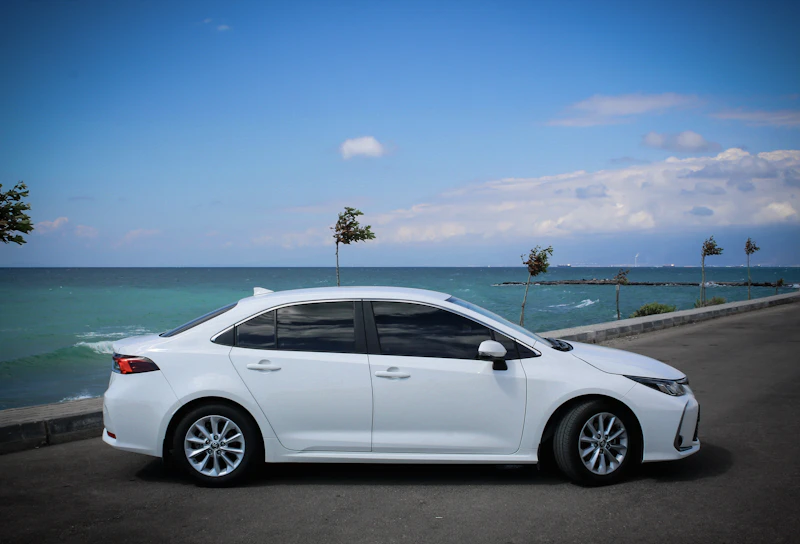
Kasinski Comet GT 250: The EFI Revolution and Parts Hunting
The PROMOT 3 regulations also forced smaller manufacturers to adapt or die. Kasinski, operating through a partnership with the South Korean brand Hyosung, had a massive hit with the Comet 250 series. This bike featured a huge V-Twin engine with double overhead cams, giving it the physical footprint and riding stance of a 600cc motorcycle. It even featured 41mm upside-down front forks, which was incredibly rare for a 250cc bike at the time.
To survive the 2009 emissions cut-off and stay competitive against the newly launched Kawasaki Ninja 250R, Kasinski ditched the carburetors. They introduced the Comet GTR EFI in 2010. By moving to a 27.5 mm throttle body and intelligent engine management, they stabilized the V-Twin engine to reliably deliver 29 horsepower at 10,500 rpm. Some isolated dyno runs even reported slight peaks above 30 horsepower without full catalytic restrictions, but the official homologated number stayed around 29 horsepower. They also refreshed the aesthetics with dual-tone graphics and an LED taillight.
Fast forward to 2026, and the reality of owning a Kasinski Comet 250 is very different. The factory is long gone, meaning there is zero official support. Keeping this bike running today depends entirely on your scavenging skills. Consumables like brake pads, cables, and tires are easy to find because they share standard dimensions with other brands. However, for structural components like frames, swingarms, or steering stems, you are entirely at the mercy of certified scrapyards. Mechanics actively trade downloaded engines and cylinder kits on online marketplaces. It takes dedication and a strong online community to keep a Comet 250 alive on the road today, but the cult following makes it entirely possible.

Costs, Market Value, and Regional Taxes in 2026
When we look at the financial reality of maintaining these legendary motorcycles in 2026, the market behavior is fascinating. The Yamaha XT 660R has achieved an almost mythical status. Because Yamaha never introduced a direct successor like the Ténéré 700 to this specific market segment, the XT 660R has practically zero depreciation. Looking at the FIPE table, a 2014 model easily commands over 40,000 Reais, with well-preserved units selling for much more in private deals. It is no longer just a motorcycle; it is a highly liquid financial asset.
This brings me to the reality of keeping these bikes legally registered, and there is no better example of favorable legislation than what is happening in Santa Catarina. If you live in Santa Catarina in 2026, you are sitting in a tax haven for motorcycle enthusiasts. The state government recently implemented aggressive IPVA tax exemptions that directly benefit our garage culture. The biggest change is the age exemption. Any vehicle that is 20 years old or older is now completely exempt from IPVA. This means a 2006 Yamaha XT 660R or any surviving RD 350 will cost you zero in property taxes, though you still have to pay the annual licensing fee.
Furthermore, Santa Catarina maintained the brilliant policy of exempting all motorcycles up to 200cc from IPVA, provided the owner has zero traffic tickets from the previous year. This rewards safe riding and helps low-income riders immensely. For bikes that do not fit these exemptions, like a 2014 XT 660R or the Kasinski Comet 250, Santa Catarina applies a remarkably low tax rate of just 1% on the FIPE value. This smart taxation model protects historical automotive assets while making everyday riding financially sustainable. The combination of high resale value and reduced taxes makes holding onto these mechanical legends a very smart move.
Tags:MotoGPYamaha XT 660RYamaha RD 350Kasinski Comet 250PROMOT 3motorcycle emissionsBrazilian motorcycle market 2026motorcycle specsmotorcycle taxes
Recommended Posts

Comentários (0)
Participe da discussão
Faça login ou cadastre-se rapidamente para enviar seu comentário. É simples e leva menos de 1 minuto!
Nenhum comentário por enquanto. Seja o primeiro a opinar!